
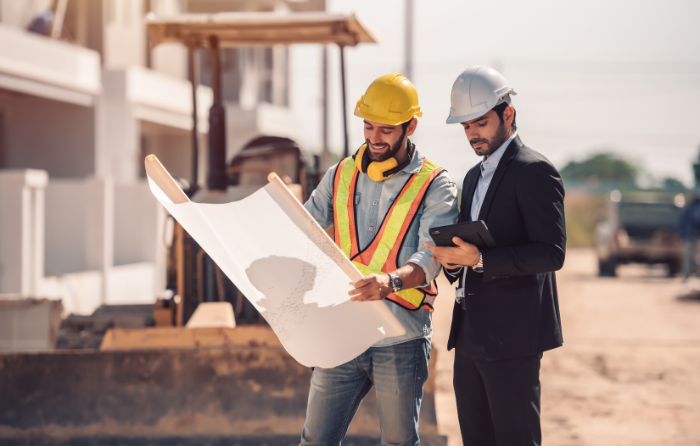
Building or renovating a retail store is one of the most important investments a business owner can make. The way your space looks and functions has a direct impact on how customers experience your brand — and whether they come back. Whether you are opening your first location or expanding an existing one, working with the right general contractor makes all the difference.
At Icon Construction, we have worked with retail brands across multiple industries, and we know what separates a store that performs from one that simply exists. In this guide, we walk you through practical, proven tips rooted in what top professionals in the retail construction association recommend — so your build supports real business growth.
Why Retail Construction Strategy Matters for Your Business

Many business owners focus entirely on marketing or inventory when planning growth — but your physical space is often the first impression a customer gets. A poorly designed or constructed retail environment can hurt foot traffic, slow down operations, and reduce sales even if your products are great.
Retail construction goes beyond just putting up walls and installing fixtures. It involves planning the customer journey through the space, creating room for efficient staff workflows, meeting local building codes, and building for long-term durability. When done right, a well-constructed store becomes a growth engine for your entire business.
Tip 1: Start With a Clear Store Layout Plan
Before any construction begins, you need a layout plan that serves both your customers and your staff. Store layout — the way products, checkout points, aisles, and displays are arranged inside the space — directly influences how long customers stay and how much they buy.
Layout Types Worth Knowing
There are several common retail layout types, each suited to different store types:
- Grid layout — Best for grocery and convenience stores. Creates clear aisles and maximises product display.
- Free-flow layout — Works well for boutiques and lifestyle brands. Encourages browsing and discovery.
- Racetrack layout — Guides customers through the entire store before reaching the exit. Common in department stores.
- Herringbone layout — Used in narrow stores to create the illusion of width and guide customer movement.
Work with your construction team early to plan which layout fits your business model. This decision affects structural elements like walls, columns, ceiling heights, and electrical placements — all of which cost significantly more to change after construction starts.
Tip 2: Build for the Customer Experience First
Every construction decision in a retail space should answer one question: how does this serve the customer? Lighting, flooring, ceiling finishes, fitting rooms, signage placement, and checkout counter positioning all affect how a customer feels inside your store. Comfort and ease of navigation translate directly into longer visits and higher spending.
For example, natural or warm lighting near product displays can make items look more appealing. Wide aisles reduce crowding and make the space feel welcoming. Accessible entrances and fitting rooms show that your business values all customers. These are not luxury additions — they are practical decisions that pay back in customer retention.
Tip 3: Prioritise Durable, Low-Maintenance Materials
Retail environments take heavy daily use. Hundreds or thousands of people walk through your doors every week, and the wear on floors, walls, fixtures, and surfaces adds up fast. Choosing durable materials from the start reduces maintenance costs, keeps your store looking professional, and avoids costly shutdowns for repairs.
Professionals aligned with the retail construction association for store buildouts consistently recommend high-traffic-rated flooring such as polished concrete, luxury vinyl tile (LVT), or commercial-grade ceramic. For walls, scrubbable paint finishes and impact-resistant panels near shopping cart areas extend the life of your interior without frequent repainting.
Tip 4: Plan Your Electrical and Technology Infrastructure Early
Modern retail stores run on technology — point-of-sale systems, security cameras, digital signage, inventory scanners, and customer Wi-Fi. All of these require proper electrical planning before walls go up. Retrofitting electrical systems after construction is complete is expensive and disruptive.
Work with your contractor to map out where every outlet, data cable, lighting circuit, and network connection needs to go. Plan for your current needs and leave capacity for future expansion. A store that cannot support a new POS terminal or a display screen update without major rewiring is a store that will face unnecessary costs as your business grows.
Tip 5: Understand Local Permits and Compliance Requirements
One of the most common reasons retail construction projects go over budget and past their deadline is permit delays. This is why starting with solid pre-construction services — including permit applications, zoning approvals, fire safety clearances, and accessibility compliance — saves significant time and money before a single wall goes up.
Accessibility compliance — meeting the requirements of standards like the Americans with Disabilities Act (ADA) in the US, or equivalent standards in your region — is not optional. Non-compliant builds can result in fines, forced renovations, and legal exposure. An experienced retail contractor knows how to build compliance into the project from day one rather than scrambling at the inspection stage.
Tip 6: Think About Back-of-House Efficiency
Most retail construction conversations focus on the selling floor, but the back of house — the storage rooms, receiving areas, staff spaces, and utility rooms — is equally important. If your team cannot receive stock efficiently, store inventory safely, or work comfortably, it affects how well the front of the store runs.
Allocate enough square footage for a functional stockroom with clear organisation. Ensure your receiving door is large enough for deliveries. Include a dedicated staff break area — it is not a luxury, it is part of maintaining a productive team. Back-of-house planning often gets cut when budgets tighten, but the operational cost of ignoring it is higher in the long run.
Tip 7: Set a Realistic Budget with a Contingency Buffer
Every construction project encounters unexpected costs. Soil conditions, structural surprises inside an existing building, supply chain delays, or scope changes can all push a budget higher than originally planned. The retail construction association recommends setting aside at least 10 to 15 percent of your total budget as a contingency reserve — funds you plan for but hope not to use.
Working with a contractor who provides detailed, itemised estimates upfront gives you the visibility to make smart decisions throughout the project. This is where strong construction management practices pay off — transparent pricing, milestone tracking, and proactive communication keep your project on budget and on schedule.
Tip 8: Choose a Contractor With Retail-Specific Experience
Not all contractors understand the unique demands of retail construction. A contractor who specialises in residential homes or industrial warehouses may not understand the nuances of a retail fit-out — things like visual merchandising zones, customer flow, fast-track construction timelines (to minimise lost trading days), or the specific finish quality that retail brands require.
Ask for a portfolio of completed retail projects. You can browse our work to see the range of retail and commercial builds we have delivered. A contractor connected to or aligned with the retail construction association will understand industry standards and best practices that general contractors may not — and that experience gap makes a real difference.
Common Questions About Retail Construction and Business Growth
How long does a retail construction project typically take?
The timeline depends on the size and complexity of your project. A small retail fit-out in an existing shell space might take 6 to 12 weeks. A larger ground-up construction project for a multi-level store could take 6 to 18 months. Your contractor should give you a project schedule at the start, with milestones and key decision points clearly mapped out.
Can I keep my store open during construction?
In many cases, yes — but it requires careful phased planning. A good retail contractor can sequence work to minimise disruption to trading, often scheduling noisy or dusty work outside of business hours. However, for major structural changes, a full closure during construction is often safer and more efficient. Discuss this with your contractor early so they can plan accordingly.
What is the difference between a retail fit-out and a full construction project?
A retail fit-out refers to the interior finishing of an existing shell space — installing walls, ceilings, flooring, lighting, fixtures, and finishes within a building structure that already exists. A full construction project involves building from the ground up, including the structural frame, external envelope, and all interior work. Both require experienced retail contractors, but the scope, timeline, and budget differ significantly.
How does the retail construction association support business owners?
The retail construction association brings together contractors, developers, suppliers, and retail businesses to share best practices, set industry standards, and advance the quality of retail environments. For business owners, partnering with a contractor who is active in the retail construction association means you are working with someone who stays current on regulations, materials, technologies, and design trends that affect retail performance.
What should I ask a contractor before hiring them for my retail build?
Start with these five questions: How many retail projects have you completed in the past two years? Can you provide references from retail clients? How do you handle permit applications and compliance? What does your project management process look like? How do you communicate updates and handle unexpected changes? The answers will tell you a lot about whether this is the right partner for your project.
Frequently Asked Questions (FAQ)
Q: How much does retail construction typically cost per square foot?
Costs vary widely based on location, materials, complexity, and finishes. A basic retail fit-out in a shell space can range from $50 to $150 per square foot. High-end retail builds or full ground-up construction in premium locations can go considerably higher. Getting a detailed estimate from an experienced retail contractor is the best way to understand your specific project cost.
Q: What permits do I need for a retail store construction?
You will typically need a building permit for construction or significant renovation work, a fire safety clearance, an occupancy permit once work is complete, and in many cases, a zoning approval confirming the location is suitable for retail use. Your contractor should manage the permit application process on your behalf and keep you informed throughout.
Q: How do I future-proof my retail store construction?
Future-proofing means building flexibility into your space so it can adapt as your business evolves. This is a core principle in commercial construction — designing for digital signage infrastructure, modular fixtures, additional conduit for data and power, and ceiling or floor access for future HVAC or electrical upgrades. The retail construction association recommends treating adaptability as a design principle, not an afterthought.
Q: Does retail store design really impact sales?
Yes, consistently. Research in retail psychology has shown that store layout, lighting, colour, and ambiance influence customer dwell time and purchase behaviour. A well-designed store guides customers naturally toward high-margin products, creates moments of discovery, and builds brand trust. Construction that supports strong store design is one of the best long-term investments a retailer can make.
Final Thoughts: Build Smart, Grow Strong
Retail construction is not just about putting up a building — it is about creating an environment where your business can perform at its best. From your store layout and customer flow to your materials, compliance, and technology infrastructure, every decision you make during the build phase has downstream effects on your sales, operations, and brand reputation.
The tips in this guide reflect what experienced professionals in the retail construction association consistently identify as the key drivers of successful retail builds. Whether you are planning a small fit-out or a full ground-up development, the same principles apply: plan carefully, choose the right partner, build for your customers, and invest in quality from the start.
At Icon Construction, we bring hands-on retail construction expertise to every project we take on. We understand the stakes — your store is your business, and getting the build right is not optional.
Ready to Build a Retail Space That Grows Your Business?
Talk to the team at Icon Construction today. We work with retail businesses at every stage — from first-time fit-outs to multi-site expansions. Tell us about your project and let us show you what a dedicated retail construction partner can do.
➤ Book Your Free Project Consultation
Visit our website and fill out the contact form to schedule a no-obligation consultation with our retail construction specialists. We respond within one business day.
Want to get started on your retail project? Contact Icon Construction here and a specialist will be in touch.
