The industrial sector is evolving quickly as new technologies, sustainability demands, and efficiency standards reshape how facilities are planned and built. From manufacturing plants to large-scale warehouses, businesses now expect smarter, faster, and more cost-efficient outcomes. In 2026, companies are no longer focused only on completing a building project—they are focused on long-term performance, scalability, and operational efficiency.
Industrial Construction Projects are becoming more advanced with digital tools, automation, and strategic planning playing a major role. Whether it’s industrial building construction or large-scale manufacturing units, the approach has shifted toward precision, collaboration, and innovation.
Companies like Icon Construction are adapting to these changes by aligning modern construction practices with real-world business needs. In this blog, we explore the top trends shaping the future of industrial development.
Smart Planning in Industrial Construction Management
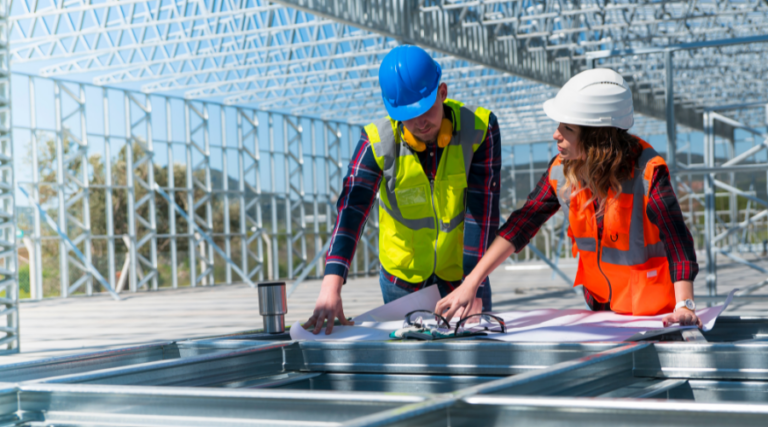
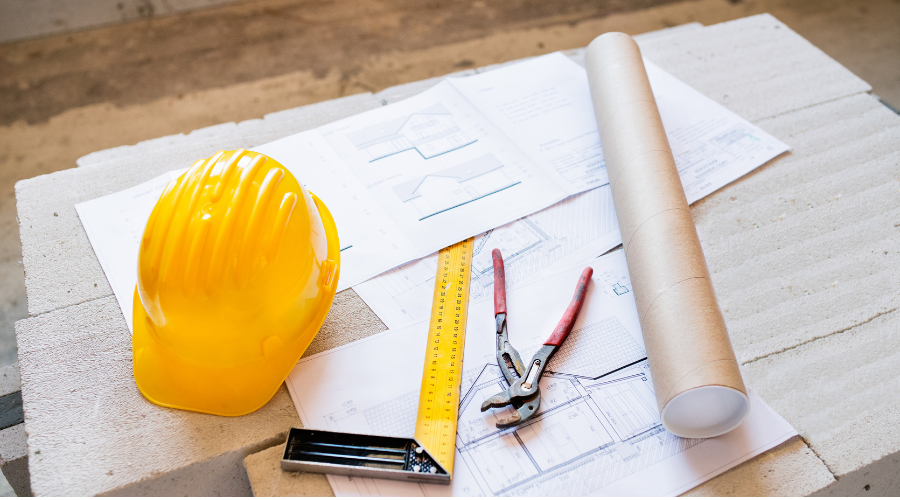
Planning has always been the backbone of any building project, but today it involves far more than timelines and budgets. Advanced software and data-driven insights are now part of industrial construction management. Digital tools help teams visualize projects before execution, identify risks early, and improve coordination between contractors, engineers, and stakeholders. This reduces delays and minimizes costly mistakes.
For construction commercial projects, this level of planning ensures that every phase—from design to execution—is aligned with operational goals. It also helps industrial general contractors deliver projects more efficiently while maintaining quality standards.
Sustainable Industrial Building Construction
Sustainability is no longer optional. Industrial facilities are being designed with energy efficiency, waste reduction, and environmental responsibility in mind.
Industrial building construction now includes:
- Energy-efficient lighting and HVAC systems
- Use of recycled and eco-friendly materials
- Water conservation systems
- Solar panel integration
These changes are not just about environmental responsibility—they also reduce long-term operational costs for construction manufacturers and facility owners.
Governments and regulatory bodies are also encouraging green building practices, making sustainability a key factor in project approval and long-term viability.
Rise of Automation and Smart Technology
Automation is changing industrial facilities, with buildings designed for robotics and smart systems, guided by a General Contractor Cleveland for efficient construction..
Industrial construction management teams now consider:
- Equipment layout for automation
- Power and data infrastructure
- Future scalability for upgrades
Smart technology integration ensures that facilities remain relevant as industries adopt more automation. This is especially important for construction commercial environments where efficiency directly impacts profitability.
Modular and Prefabricated Construction
Speed and cost control are critical in today’s market. Modular construction and prefabrication are gaining popularity because they allow components to be built off-site and assembled quickly on location.
Benefits include:
- Faster project completion
- Reduced labor costs
- Improved quality control
- Less material waste
Industrial general contractors are increasingly using these methods to meet tight deadlines without compromising quality. For large-scale Industrial Construction Projects, modular construction provides flexibility and efficiency that traditional methods often lack.
Focus on Safety and Compliance
Safety remains a top priority in industrial construction. With stricter regulations and higher expectations, companies must ensure that every project meets safety standards.
Modern safety practices include:
- Real-time monitoring systems
- Wearable safety technology
- Regular training programs
- Compliance tracking tools
For construction manufacturers and contractors, maintaining a strong safety record is essential for reputation and long-term success. It also reduces downtime and prevents costly legal issues.
Data-Driven Decision Making
Data is playing a bigger role in construction than ever before. From planning to execution, real-time data helps teams make better decisions.
Examples include:
- Predictive analytics for risk management
- Cost tracking and budget optimization
- Performance monitoring during construction
Industrial construction management teams rely on data to improve efficiency and ensure projects stay on track. This trend is especially useful in complex Industrial Construction Projects where multiple variables must be managed simultaneously.
Integration of BIM (Building Information Modeling)
Building Information Modeling (BIM) is now a standard tool in industrial construction. It allows teams to create detailed 3D models that include every aspect of the building project.
Benefits of BIM:
- Improved collaboration between teams
- Accurate cost estimation
- Better design visualization
- Reduced errors during construction
Industrial general contractors use BIM to streamline communication and ensure that every detail is accounted for before construction begins.
Supply Chain Optimization
Supply chain disruptions have impacted construction timelines in recent years. As a result, companies are focusing on better planning and sourcing strategies.
Key approaches include:
- Local sourcing of materials
- Building strong supplier relationships
- Using digital tools for inventory tracking
For construction commercial projects, a well-managed supply chain ensures that materials are available when needed, preventing delays and cost overruns.
Customization for Industry-Specific Needs
Every industry has unique requirements, and industrial construction is becoming more specialized. Whether it’s a manufacturing plant, warehouse, or processing facility, customization is essential.
Industrial building construction now focuses on:
- Industry-specific layouts
- Equipment compatibility
- Workflow efficiency
This trend ensures that facilities are designed to meet operational needs rather than following a one-size-fits-all approach.
Skilled Workforce and Training
As construction methods become more advanced, the demand for skilled workers is increasing. Companies are investing in training programs to ensure their teams can handle modern tools and technologies.
Industrial general contractors are focusing on:
- Technical training for workers
- Safety education
- Skill development programs
A skilled workforce improves project quality and ensures that Industrial Construction Projects are completed efficiently.
Why Choose Icon Construction
When it comes to industrial building construction, experience and reliability matter. Icon Construction focuses on delivering projects that meet both current needs and future demands.
From planning to execution, the team ensures:
- Strong coordination across all phases
- Use of modern construction practices
- Attention to safety and compliance
- Timely project delivery
The industrial construction landscape in 2026 is defined by innovation, efficiency, and adaptability. Companies that embrace these trends are better positioned to succeed in a competitive market. For expert support, call 216-474-4094.
If you’re planning your next industrial facility or upgrade, the right team makes a difference. Connect with a trusted partner and check updates on Google Business Profile and Facebook.
FAQs
Q1. What are the top trends in industrial construction projects in 2026?
Smart technology, sustainability, modular construction, and data-driven planning are key trends.
Q2. Why is sustainability important in industrial construction?
It reduces costs, improves efficiency, and meets environmental regulations.
Q3. How does industrial construction management help projects?
It improves planning, controls costs, and ensures timely completion.
Q4. What do industrial general contractors do?
They manage the entire project, including labor, materials, and timelines
