
Commercial construction projects require careful planning, experienced leadership, and reliable execution. Whether you are opening a retail store, renovating office space, expanding a warehouse, or building a new commercial property from the ground up, the contractor you choose can directly affect your budget, timeline, safety, and long-term business success.
Many business owners spend weeks researching designs, materials, and budgets but rush the contractor selection process. That mistake often leads to delays, poor communication, unexpected costs, and construction problems that could have been avoided. Hiring the right contractor is not only about finding someone who can build a structure. It is about finding a professional team that understands project management, safety standards, scheduling, permits, budgeting, and commercial construction requirements.
A professional Commercial General Contractor coordinates every stage of the project while keeping communication organized between owners, architects, engineers, subcontractors, and inspectors. Their role is critical because commercial projects involve multiple systems, strict regulations, and detailed planning that require experienced oversight.
At Icon Construction, many businesses ask practical questions before starting a project. Questions like “How do I choose the right contractor?” or “What should I ask before hiring a commercial builder?” are common because business owners want confidence before making a large investment.
This guide explains how to evaluate contractors, what warning signs to avoid, and which factors matter most when selecting a reliable construction partner for your commercial project.
Understanding the Role of a Commercial General Contractor
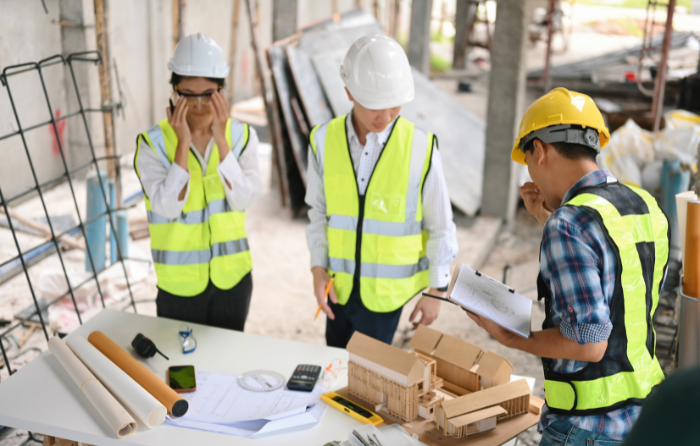
A Commercial General Contractor is responsible for managing the entire construction process from beginning to end. They oversee daily operations, coordinate workers, communicate with subcontractors, manage schedules, order materials, and ensure the project follows local building codes and safety standards.
Their responsibilities usually include:
- Reviewing construction plans
- Coordinating architects and engineers
- Hiring subcontractors
- Scheduling work phases
- Managing budgets
- Ordering materials
- Handling permits and inspections
- Maintaining job site safety
- Monitoring construction quality
- Providing project updates to clients
Without proper coordination, commercial projects can quickly become disorganized. A contractor acts as the central point of communication and ensures every part of the project moves forward correctly. Businesses searching for dependable construction management often review experienced teams through pages like General Contractor Services before starting their project planning process.
Why Choosing the Right Contractor Is So Important
Commercial construction projects often involve significant financial investments. Delays, poor workmanship, or budget problems can affect daily operations, employee productivity, and customer experience.
The right contractor helps reduce risks by:
- Keeping projects on schedule
- Managing costs effectively
- Maintaining construction quality
- Improving communication
- Solving problems quickly
- Coordinating inspections properly
- Ensuring code compliance
A poor contractor choice can lead to missed deadlines, safety issues, legal problems, and expensive repairs later. That is why businesses should take time to evaluate contractors carefully before signing any agreement.
Companies planning renovations or new developments often review completed commercial projects through the Our Work section to better understand construction quality and project experience.
Define Your Project Goals Before Hiring
Before contacting contractors, business owners should clearly understand their own project goals. Contractors can provide better recommendations and more accurate estimates when the project scope is organized from the beginning.
Consider the following questions:
- Are you building a new structure or renovating an existing space?
- What is your estimated construction budget?
- What completion date are you targeting?
- Will your business stay operational during construction?
- Do you need specialized systems or equipment?
- Are energy-efficient upgrades important?
- Will accessibility improvements be required?
Clear planning helps contractors understand expectations and reduces confusion later during the project.
Businesses planning commercial renovations may also benefit from reviewing specialized services like Office Building Renovations to understand how phased construction and workspace improvements are managed efficiently.
Look for Experience in Commercial Construction
Commercial construction is very different from residential construction. Commercial projects involve stricter safety standards, accessibility requirements, fire regulations, larger mechanical systems, and more detailed inspections.
An experienced contractor understands how to manage these complexities efficiently.
Look for contractors who have completed projects similar to yours, such as:
- Retail stores
- Office buildings
- Restaurants
- Healthcare facilities
- Industrial properties
- Warehouses
- Hospitality spaces
- Mixed-use developments
Reviewing similar projects allows you to evaluate construction quality, design execution, and project management capabilities.
For example, businesses in the retail industry may review projects like ATT Store Retail Project or Shoe Dept Mentor Project to better understand experience in retail construction and store buildouts.
Restaurant owners may also review projects such as Cooper’s Hawk Restaurant Project to evaluate experience with hospitality and dining construction.
Check Licensing and Insurance Carefully
Licensing and insurance are critical parts of contractor verification. Never hire a contractor without confirming proper documentation.
Important items to review include:
- Contractor license
- General liability insurance
- Workers’ compensation insurance
- Bonding information
- Safety certifications
Insurance protects property owners from financial liability related to accidents, injuries, or property damage during construction.
If a contractor avoids discussing licensing or insurance details, it may indicate serious reliability concerns.
Professional contractors also maintain strong relationships with architects, designers, and project consultants throughout construction. Businesses often coordinate early planning with teams like Architects & Designers to improve communication and project organization.
Understand the Importance of Pre-Construction Planning
Pre-construction planning is one of the most important phases of any commercial project. This stage happens before physical construction begins and focuses on organization, budgeting, scheduling, and problem prevention.
Pre-construction services may include:
- Site evaluations
- Budget planning
- Scheduling development
- Permit coordination
- Material selection
- Risk assessment
- Design reviews
- Engineering coordination
Proper planning improves efficiency and helps identify potential issues early before they become expensive problems during construction.
Businesses that invest time in pre-construction planning often experience smoother project execution and fewer delays. Many commercial property owners begin this process by reviewing dedicated Pre-Construction Services to understand budgeting, scheduling, and project feasibility before construction starts.
Ask About Project Management Systems
Good project management helps keep commercial construction organized and predictable.
Ask contractors how they manage:
- Daily supervision
- Scheduling coordination
- Material deliveries
- Client communication
- Change orders
- Budget tracking
- Quality inspections
- Progress reporting
An experienced Commercial General Contractor should explain their process clearly and provide realistic expectations regarding scheduling and communication.
Strong project management reduces confusion and keeps all teams aligned throughout construction.
Businesses managing large facilities or multi-property operations often prioritize contractors experienced in long-term property coordination, similar to the support offered through Facility & Property Managers Services.
Communication Is a Major Factor
Poor communication is one of the most common causes of frustration during commercial construction projects.
A reliable contractor should:
- Respond to calls and emails promptly
- Explain technical details clearly
- Provide regular progress updates
- Discuss delays honestly
- Keep documentation organized
- Address concerns professionally
Pay close attention to how contractors communicate during the estimate and planning phase. Their responsiveness early in the process often reflects how they will manage communication during the actual project.
Businesses should feel comfortable asking questions throughout construction without struggling to get answers.
Companies planning large-scale developments often rely on experienced contractors who regularly work with Business Owners and commercial stakeholders to maintain clear communication throughout every project phase.
Review Previous Projects and References
One of the best ways to evaluate a contractor is by reviewing completed projects and speaking with past clients.
Ask for references from commercial clients who completed similar projects.
Questions to ask references include:
- Was the project completed on time?
- Did the contractor stay within budget?
- Was communication consistent?
- Were problems handled professionally?
- Was the construction quality satisfactory?
- Would you hire the contractor again?
You should also review project photos and, if possible, visit completed sites in person.
Pay attention to:
- Construction quality
- Material finishes
- Site organization
- Attention to detail
- Overall project appearance
Strong references and consistent project quality often indicate dependable service.
Industrial companies can review projects like Wayfair Industrial Project or Pepsi Twinsburg Project to understand experience handling large-scale industrial construction environments.
Compare Estimates Carefully
Many business owners focus too heavily on finding the lowest bid. However, unusually low estimates can create major problems later.
Low pricing may indicate:
- Lower-quality materials
- Inexperienced labor
- Missing project details
- Hidden future costs
- Unrealistic scheduling
A professional estimate should clearly explain:
- Labor expenses
- Material costs
- Permit fees
- Equipment costs
- Timeline expectations
- Payment schedules
- Scope of work
Compare contractors based on value, experience, communication, and professionalism rather than only price.
Commercial property owners often benefit from working with experienced teams that understand long-term building performance, especially when coordinating projects for Building Owners and investment properties.
| Factor to Compare | Why It Matters in Commercial Construction | What to Check Before Hiring |
|---|---|---|
| Experience | Experienced contractors handle complex commercial projects more efficiently | Review similar completed projects and industries served |
| Licensing & Insurance | Protects businesses from legal and financial risks | Verify contractor license, liability insurance, and workers’ compensation |
| Project Management | Keeps construction organized and on schedule | Ask about scheduling systems, reporting, and site supervision |
| Communication | Reduces misunderstandings and delays | Check response time, update process, and communication style |
| Safety Standards | Helps prevent accidents and costly disruptions | Ask about OSHA compliance and employee safety training |
| Construction Timeline | Impacts business operations and opening dates | Review realistic project schedules and delay management plans |
| Budget Control | Helps avoid unexpected expenses | Request detailed estimates and change order procedures |
| Quality of Work | Affects long-term durability and maintenance costs | Review project photos, finishes, and client references |
| Local Code Knowledge | Ensures smoother permits and inspections | Confirm experience with local commercial building regulations |
| References & Reviews | Shows reliability and past performance | Speak with previous clients and review completed work |
Understand Construction Timelines
Commercial construction schedules depend on several factors including permits, inspections, weather conditions, labor availability, and material delivery times.
Ask contractors:
- What is the estimated completion date?
- What could cause delays?
- How are scheduling changes handled?
- How frequently are updates shared?
- How is project progress tracked?
An experienced Commercial General Contractor creates realistic schedules rather than making promises that cannot be achieved.
Reliable scheduling helps businesses plan staffing, operations, and opening dates more effectively.
Hospitality businesses often review projects like Marriott Hotel Project to evaluate how contractors manage scheduling requirements within hotel and hospitality construction environments.
Safety Standards Should Never Be Ignored
Construction sites involve heavy equipment, electrical systems, elevated work areas, and potential hazards. Safety should always remain a priority.
Ask contractors about:
- OSHA compliance
- Employee safety training
- Site inspection procedures
- Emergency response plans
- Protective equipment requirements
Strong safety practices help reduce accidents, legal risks, and costly project delays.
A contractor committed to safety also demonstrates professionalism and organizational discipline.
Healthcare facilities, senior living communities, and occupied commercial buildings especially require strong safety coordination. Projects like Avenue Strongsville Assisted Living Project highlight the importance of controlled construction environments and safety-focused planning.
Learn About Local Building Codes and Permits
Commercial projects must follow local building codes, zoning laws, accessibility regulations, and safety standards.
A contractor familiar with local requirements can help:
- Avoid permit delays
- Prevent failed inspections
- Ensure code compliance
- Coordinate with inspectors effectively
This is especially important for restaurants, healthcare facilities, retail stores, and public-use buildings that require specialized approvals.
Local experience often improves project efficiency because contractors understand regional regulations and approval processes. Businesses searching for contractors in specific service areas often review local pages such as General Contractor Westlake Ohio or General Contractor Avon Ohio for region-specific construction expertise.
Technology and Modern Construction Management

Modern contractors increasingly use digital tools to improve communication and project organization.
Technology may include:
- Digital scheduling systems
- Online project dashboards
- Budget tracking software
- Virtual design coordination
- Document management platforms
- Mobile progress reporting
These tools improve transparency and help clients stay informed throughout construction.
Technology also improves coordination between contractors, subcontractors, suppliers, and property owners.
Modern office construction and workspace upgrades often integrate technology planning during early design stages, similar to projects focused on Building Office Design and commercial workspace functionality.
Why Written Contracts Matter
A written contract protects both the contractor and the property owner.
The contract should clearly define:
- Scope of work
- Project timeline
- Payment schedule
- Material specifications
- Warranty terms
- Change order procedures
- Responsibilities of each party
Never rely on verbal agreements for commercial construction projects.
Review contracts carefully and ask questions about anything unclear before construction begins.
Commercial brokers and real estate professionals often encourage clients to work with experienced teams familiar with detailed project agreements and commercial coordination through services like Brokers & Realtors Support.
Common Mistakes Businesses Make When Hiring Contractors
Some business owners rush the hiring process and face preventable problems later.
Common mistakes include:
- Choosing based only on price
- Skipping reference checks
- Ignoring communication problems
- Failing to verify insurance
- Signing vague contracts
- Hiring contractors without commercial experience
- Not discussing timelines clearly
Taking time to evaluate contractors carefully can save significant time and money later.
Businesses expanding into mixed-use developments or multi-property investments often benefit from reviewing examples like Starr Gennett Mixed-Use Project to better understand large-scale project coordination.
Questions You Should Ask Before Hiring
Before selecting a contractor, schedule a detailed meeting and ask important questions.
Helpful questions include:
- How many commercial projects have you completed?
- Can you provide references from similar projects?
- Who supervises the site daily?
- How are subcontractors selected?
- What is your estimated timeline?
- How do you handle unexpected issues?
- What safety standards do you follow?
- How often will project updates be shared?
- What is included in the estimate?
- How are change orders managed?
These conversations help you understand how organized and experienced the contractor truly is.
Reviewing active and completed projects through the Who We Work With page can also help businesses understand the industries and property types a contractor regularly serves.
Why Long-Term Relationships Matter
Many businesses continue working with the same contractor for future renovations, maintenance projects, and expansions.
Long-term relationships provide benefits such as:
- Better project efficiency
- Stronger communication
- Familiarity with business operations
- Faster planning processes
- Consistent construction quality
Reliable contractors often become long-term business partners who understand the company’s goals and operational needs.
Businesses with ongoing growth plans often choose contractors experienced in handling repeat commercial projects across multiple locations and industries.
Benefits of Hiring the Right Commercial Contractor
Hiring the right contractor provides more than construction services. It creates a smoother overall experience for business owners and project managers.
Benefits may include:
- Better organization
- Higher construction quality
- Improved safety
- Reduced stress
- More accurate scheduling
- Better cost control
- Efficient problem-solving
- Stronger long-term property value
A professional Commercial General Contractor helps businesses complete projects efficiently while maintaining quality standards throughout construction.
How Commercial Construction Supports Business Growth
Commercial construction directly affects business performance. Well-designed spaces improve customer experience, employee productivity, operational efficiency, and property value.
Quality commercial construction can help businesses:
- Improve workflow efficiency
- Create safer work environments
- Increase energy efficiency
- Reduce maintenance costs
- Support future expansion
- Strengthen brand image
Investing in quality construction today often reduces operational problems in the future.
Businesses planning future expansion across different service areas often review the company’s Areas We Serve to understand regional project capabilities and construction coverage.
Red Flags That Should Not Be Ignored
During the hiring process, pay attention to warning signs that may indicate reliability issues.
Common red flags include:
- Unclear pricing
- Delayed communication
- No written proposals
- Missing insurance documents
- Pressure to sign immediately
- Negative online reviews
- Lack of commercial project experience
Trust, transparency, and professionalism are essential qualities in commercial construction partnerships.
Final Thoughts
Choosing the right contractor is one of the most important decisions in any commercial construction project. A professional contractor helps manage budgets, timelines, permits, communication, safety, and construction quality from start to finish.
Business owners should carefully evaluate experience, project management systems, communication style, references, safety practices, and contract details before making a final decision. Taking time to research contractors properly can help avoid delays, unexpected costs, and long-term construction problems.
A reliable Commercial General Contractor becomes more than just a builder. They become a valuable partner who helps businesses create functional, safe, and efficient commercial spaces that support long-term growth.
Whether you are planning a retail renovation, office expansion, restaurant buildout, or new commercial facility, working with an experienced construction team can make the entire process smoother and more predictable.
Ready to start planning your next commercial project? Visit Contact Icon Construction to discuss your project goals and explore practical commercial construction solutions designed around your business needs.
Frequently Asked Questions
What does a Commercial General Contractor do?
A Commercial General Contractor manages all aspects of a commercial construction project, including scheduling, subcontractors, permits, safety, budgeting, and project coordination.
Why is commercial construction different from residential construction?
Commercial projects involve stricter building codes, larger systems, more complex safety standards, and detailed project coordination compared to residential construction.
How do I verify if a contractor is licensed and insured?
Ask the contractor for copies of licenses and insurance certificates. You can also verify licensing information through local or state regulatory agencies.
Why is project management important in construction?
Strong project management improves scheduling, communication, budgeting, quality control, and overall project organization.
Should I choose the contractor with the lowest price?
Not always. Extremely low estimates may lead to hidden costs, lower-quality materials, or project delays later.
What should be included in a commercial construction contract?
The contract should include project scope, timeline, payment schedule, material details, warranties, and change order procedures.
Why are references important before hiring a contractor?
References help you understand how the contractor handled previous projects, communication, scheduling, and overall construction quality.
What are change orders in construction?
Change orders are written modifications made after the original contract is signed. They may affect project costs or timelines.
How long do commercial construction projects usually take?
Project timelines vary depending on size, complexity, permits, weather conditions, and material availability.
When should I involve a contractor in planning?
It is best to involve contractors early during project planning to improve budgeting, scheduling, and construction efficiency.
