

Commercial construction is a different animal from residential building work. Larger budgets, tighter timelines, multiple stakeholders, and strict code requirements all come together on a single job site. For business owners, property managers, and developers in Northeast Ohio, choosing the right team makes the difference between a project that finishes on schedule and one that drags on for months past its deadline. That is exactly why so many local businesses search specifically for experienced cleveland general contractors when it’s time to break ground on a new build-out, renovation, or expansion.
In this article, we’ll walk through how a professional general contractor actually manages a commercial project from the first phone call to the final walkthrough, and why partnering with established cleveland general contractors like Icon Construction gives your project the structure, accountability, and craftsmanship it needs to succeed.
What Does a General Contractor Actually Do?
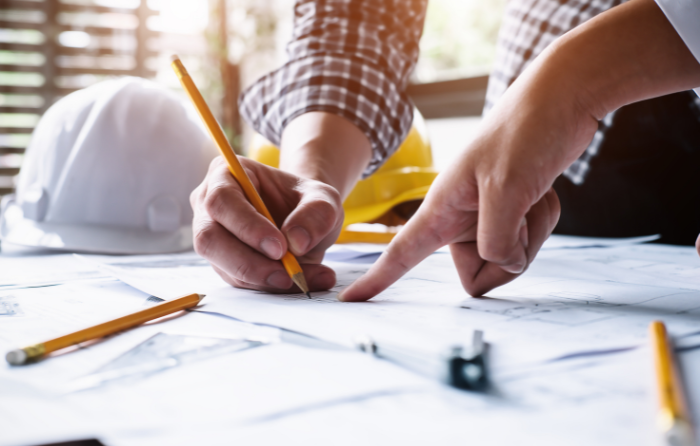
A general contractor (GC) is the single point of accountability for a construction project. Instead of a business owner having to individually hire and coordinate electricians, plumbers, framers, HVAC technicians, and inspectors, the general contractor manages all of it. This includes scheduling subcontractors, ordering materials, tracking the budget, communicating with the client, and making sure the finished work meets local building codes.
For commercial clients, this coordination role is even more critical because commercial buildings involve more complex systems, larger crews, and stricter permitting processes than a typical home renovation. Reliable cleveland general contractors bring years of relationships with subcontractors, suppliers, and city inspectors that keep a project moving instead of stalling out over avoidable delays.
Step 1: Pre-Construction Planning
Every successful commercial build starts long before anyone picks up a hammer. During pre-construction, the general contractor works with the client to define the scope of work, establish a realistic budget, and set a project timeline. This phase often includes site evaluations, design coordination with architects, and early conversations with local permitting offices.
Icon Construction leans heavily on this phase, which you can read more about on their pre-construction services page, because catching problems on paper is far cheaper than fixing them mid-build. A thorough pre-construction process is one of the biggest reasons experienced cleveland general contractors consistently deliver projects on time and within budget.
Step 2: Permitting and Code Compliance
Commercial construction projects in Ohio are subject to a range of building codes, fire safety regulations, ADA accessibility requirements, and zoning rules depending on the municipality. An experienced general contractor handles the permitting process directly, submitting drawings, responding to plan review comments, and scheduling inspections at each stage of construction.
This is one area where local knowledge really pays off. General contractors who have worked across dozens of Cuyahoga and Lorain County municipalities already understand each city’s specific requirements, which prevents the kind of permitting delays that can push a project weeks behind schedule.
Step 3: Budgeting and Cost Control
Staying on budget is one of the top priorities for any business owner investing in a commercial build-out. A skilled general contractor creates a detailed cost estimate up front, tracks expenses against that estimate throughout the project, and flags any changes in scope before they become expensive surprises.
Icon Construction works closely with business owners to build transparent budgets from day one, so there are no hidden change orders later in the process. This kind of financial discipline is a hallmark of trustworthy cleveland general contractors and gives clients confidence that their investment is being managed responsibly.
Step 4: Scheduling and Subcontractor Coordination
A commercial project can involve a dozen or more trades working in sequence: demolition, framing, electrical rough-in, plumbing, drywall, flooring, painting, and finish carpentry, just to name a few. The general contractor is responsible for sequencing this work so that each trade can do its job without waiting around or working on top of another crew.
Delays in one trade can ripple through the entire schedule if they aren’t managed proactively. This is why establish cleveland general contractors maintain long-term relationships with reliable subcontractors, so crews show up when they’re supposed to and quality stays consistent from job to job.
Step 5: On-Site Quality Control
Throughout construction, the general contractor performs regular site walkthroughs to check workmanship, verify that materials match specifications, and catch any issues before they get covered up by the next phase of work. This hands-on oversight protects the client from costly rework down the line.
You can see this attention to detail reflected across Icon Construction’s completed projects on their project portfolio, which spans retail buildouts, restaurants, industrial facilities, religious institutions, and assisted living communities throughout the region.
Step 6: Communication With Stakeholders
Commercial projects usually involve more than just the business owner. Property managers, architects, brokers, lenders, and sometimes city officials all need updates as the project progresses. A good general contractor keeps everyone informed with regular progress reports, photos, and schedule updates, so there are no surprises at the final walkthrough.
Clear, consistent communication is often what separates a smooth project from a stressful one. Clients who have worked with dependable cleveland general contractors frequently point to this level of communication as the reason they come back for future projects.
Step 7: Final Walkthrough and Punch List
As the project nears completion, the general contractor conducts a final walkthrough with the client to identify any remaining touch-ups, known as the punch list. Items are addressed quickly so the space is ready for occupancy, whether that’s a new restaurant opening its doors or a corporate office welcoming employees back to a renovated floor.
Common Challenges Commercial Projects Face
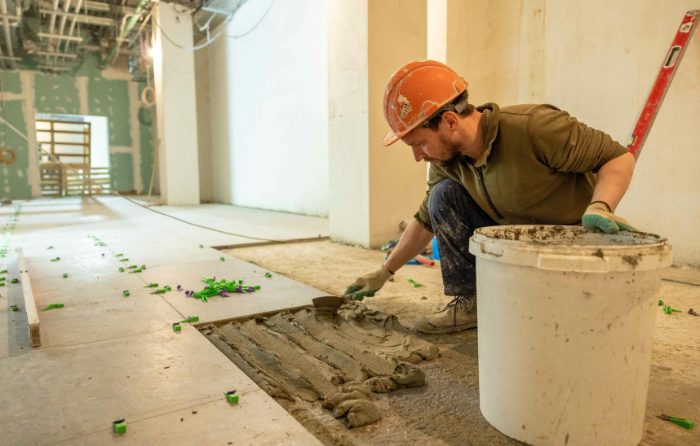
Even with careful planning, commercial construction rarely goes off without a hitch. Supply chain delays, unexpected site conditions like outdated wiring or aging plumbing behind a wall, and weather disruptions during the Ohio winter can all push a schedule off track. What separates experienced firms from the rest is how they respond when something unexpected comes up.
A seasoned general contractor builds contingency time and a reasonable buffer into the schedule and budget from the start, so a single delay doesn’t derail the entire project. They also maintain backup suppliers and subcontractor relationships that can be called on quickly if a primary vendor falls through. This kind of preparation is a big part of why business owners specifically look for proven cleveland general contractors rather than taking a chance on an unproven crew.
Another common challenge is keeping a business operational during renovation work. Restaurants, retail stores, and offices often need to continue serving customers or employees while construction happens around them. A thoughtful contractor will phase the work, schedule noisy or disruptive tasks outside of business hours where possible, and keep dust and debris contained so daily operations aren’t interrupted more than necessary.
How Technology Has Changed Commercial Construction Management
Project management software, cloud-based document sharing, and digital scheduling tools have made it easier for general contractors to keep clients in the loop in real time. Instead of waiting for a weekly phone call, clients can often log in to see updated photos, budget tracking, and schedule milestones as they happen.
Drones are increasingly use for site surveys and progress documentation on larger commercial builds, giving property owners and lenders a clear visual record of how a project is progressing. Building information modeling, or BIM, helps catch design conflicts on screen before they turn into costly rework in the field. Contractors who invest in these tools tend to run tighter, more predictable projects, which is another reason forward-thinking cleveland general contractors continue adopting new technology rather than sticking with outdated paper-based processes.
Sustainability and Energy Efficiency Considerations
More commercial clients are asking about energy-efficient lighting, better insulation, and sustainable materials during renovations and new builds. Beyond the environmental benefits, these choices often reduce long-term operating costs for the building owner, which makes them worth discussing during the pre-construction phase.
A knowledgeable general contractor can advise on where energy-efficient upgrades make the most financial sense, whether that’s upgrading to LED lighting throughout a retail space, adding better insulation during a wall renovation, or specifying more efficient HVAC equipment for a new build. These are the kinds of conversations that happen early, before construction begins, so the upgrades can be built into the plan rather than added on later at a higher cost.
The Range of Services a Commercial GC Typically Offers
Most established firms offer a full menu of construction services, including ground-up construction, tenant build-outs, interior renovations, and facility upgrades. Whether the project is a small retail remodel or a large industrial expansion, the process outlined above stays largely the same: plan carefully, control costs, communicate clearly, and hold every trade to a high standard.
Why Local Experience Matters
Every region has its own permitting quirks, weather considerations, and network of reliable subcontractors. A general contractor with deep roots in Northeast Ohio already knows which suppliers deliver on time, which inspectors to coordinate with, and how to plan around the region’s weather patterns during framing and site work.
That local expertise is exactly what you get with Icon Construction, a general contractor with a long track record of completed commercial projects across the Cleveland area. Learn more about the team’s background and approach on the company’s about page.
Frequently Asked Questions
How long does a typical commercial construction project take?
Timelines vary widely depending on the scope, ranging from a few weeks for a light interior renovation to a year or more for a ground-up building. A detailed pre-construction plan gives clients a realistic timeframe before work begins.
Do I need a general contractor for a small tenant build-out?
Even smaller projects benefit from professional oversight, since permitting, code compliance, and subcontractor coordination still apply regardless of square footage. Skipping this step often leads to costly mistakes that a general contractor would have caught early.
What should I look for when comparing quotes?
Look beyond the bottom-line number and ask how each contractor handles scheduling, communication, and change orders. The most reliable cleveland general contractors will walk you through their process in detail rather than simply handing you a price.
Choosing the Right Team for Your Next Project
When you’re evaluating cleveland general contractors for an upcoming project, look for a firm that can show a strong portfolio of completed work, clear communication practices, and a transparent approach to budgeting. Ask how they handle permitting, how they select subcontractors, and how they manage change orders when unexpected issues come up mid-project.
A contractor who is willing to walk you through their entire process, from pre-construction planning to the final punch list, is generally one who has systems in place to keep your project on track. That structure is what separates dependable cleveland general contractors from firms that overpromise and underdeliver.
Ready to Start Your Commercial Project?
Icon Construction has helped businesses across Cleveland and the surrounding suburbs bring their commercial construction projects to life, from restaurants and retail spaces to corporate offices and industrial facilities. If you’re planning a build-out, renovation, or expansion, the team can walk you through every step of the process outlined above.
Ready to talk through your project scope and budget? Contact Icon Construction today to get started.
Want to see completed projects near you first? Take a look at the project portfolio linked earlier in this article to see the range and quality of work the team has delivered across the region.
Prefer to check reviews and get directions? Visit Icon Construction on Google.
Whatever stage your project is in, from an early concept sketch to a fully permitted set of drawings, working with experienced cleveland general contractors gives you a partner who understands both the technical requirements and the local landscape of doing business in Northeast Ohio. That combination of expertise and accountability is what keeps commercial projects moving forward, on budget, and on schedule.
