

You have three bids on your desk for a new restaurant, retail space, office renovation or assisted living upgrade. One is $180,000 lower than the others, one is much more detailed, and one is barely two pages long. Which one do you trust? This is the exact moment where many owners make a costly mistake.
At Icon Construction, we work with owners, business operators and facility managers who want straight answers before they commit to a build. If you are planning a project and searching for commercial construction Cleveland owners can rely on, this guide will show you how to compare bids with confidence.
Key Takeaways
- Never compare bids until every contractor has priced the same drawings, scope and specifications.
- A low bid often hides exclusions, thin allowances or missing trades that appear later as change orders.
- Ask for an itemized breakdown, a written schedule, and a clear list of what is not included.
- Check licenses, insurance, safety record, references and recent projects similar to yours.
- Strong preconstruction planning makes bids more accurate and protects your budget on any commercial construction Cleveland project.
Why Comparing Commercial Construction Bids Matters
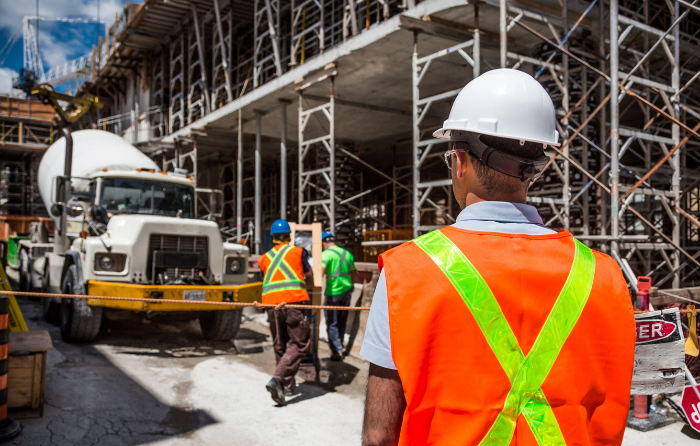
A construction bid is more than a price. It is a written promise about what will be built, how, when and for how much. Two bids with very different totals may be describing two very different projects. If you compare only the bottom line, you are comparing numbers, not value.
For business owners, the stakes are high. Delays push back your opening date and delay revenue. Budget overruns drain cash you planned for equipment, inventory or hiring. A careful comparison process helps you avoid surprises and choose a partner, not just a price. That is true for any commercial construction Cleveland project, whether it is a tenant build-out or a ground-up building.
Step 1: Make Sure Every Bid Covers the Same Scope
The first rule of bid comparison is simple: compare like with like. Before you open a single proposal, confirm that every contractor received the same drawings, specifications, site information and addenda. If the scope differs, the prices cannot be compared fairly.
Create a simple spreadsheet and list each major trade down the left side: demolition, framing, electrical, plumbing, HVAC, flooring, finishes, fire protection, permits and site work. Then mark which contractor includes each item. Gaps become obvious right away. If one bidder left out the HVAC or fire alarm work, that missing cost will come back to you later.
If you do not have complete drawings yet, a contractor who offers early guidance can help you define the scope. Our pre-construction services are built for exactly this, giving owners a realistic budget and a clear scope before the bidding gets serious.
Step 2: Understand the Type of Bid
Not all bids are built the same way. The pricing structure changes who carries the risk, so know which type you are looking at.
| Bid Type | How It Works | Best For |
| Lump Sum (Fixed Price) | One total price for a defined scope | Projects with complete drawings and few unknowns |
| Cost Plus Fee | You pay actual costs plus a fee or percentage | Projects where scope may evolve |
| Guaranteed Maximum Price (GMP) | Cost plus fee, capped at an agreed ceiling | Owners who want transparency and a budget cap |
| Unit Price | Price per unit of work, such as per square foot | Repetitive or measurable work |
A lump sum bid looks simple, but it only protects you if the scope is complete. A cost plus bid offers transparency, but it needs a firm cap or strong oversight. Ask each contractor to explain why they chose their pricing method and how change orders will be handled.
Step 3: Look Beyond the Total Price
A trustworthy bid is detailed. When you review each proposal, look closely at the following items.
Itemized Costs
Ask for a breakdown by trade or division. Itemized pricing shows where the money is going and helps you spot numbers that look unusually low or high. A single lump figure with no detail is a warning sign.
General Conditions and Overhead
General conditions cover project management, supervision, temporary facilities, insurance, cleanup and equipment. Some contractors bury these costs in other lines, while others list them separately. Make sure you know how each bid handles them so you can compare fairly.
Contingency and Allowances
Allowances are placeholder amounts for items not yet selected, such as lighting, flooring or fixtures. An unrealistically low allowance makes a bid look cheaper than it really is. Compare allowance amounts across all bids and ask how overages will be handled.
Inclusions and Exclusions
Read the exclusions section first. This is where many problems hide. Common exclusions include permit fees, utility connections, hazardous material removal, after-hours work, site restoration and owner-supplied equipment installation. Every exclusion is a potential extra charge.
| Need Help Reviewing Your Bids? Not sure if your proposals are truly comparable? Our team can walk you through the numbers and flag gaps before you sign. Contact Icon Construction for a no-pressure conversation about your project. |
Step 4: Compare the Project Schedule
Time is money in commercial construction. A restaurant that opens a month late loses a month of sales. A retail store that misses a holiday window loses its best season. Ask every contractor for a written schedule that shows key milestones, including permitting, procurement of long-lead items, inspections and substantial completion.
Be careful with schedules that sound too good to be true. An aggressive timeline with no explanation may mean the contractor has not accounted for permit review times or material lead times. A realistic schedule, explained clearly, is more valuable than a fast promise that slips.
Step 5: Evaluate the Contractor, Not Just the Number
Even a perfect bid is only as good as the team delivering it. Qualifications matter just as much as price. When you hire a general contractor for commercial construction Cleveland owners depend on, check the following.
- Licensing and insurance: Confirm current licenses, general liability, workers compensation and bonding capacity.
- Relevant experience: Look for projects similar in type, size and complexity to yours.
- References: Call past clients and ask about communication, cleanliness, budget control and punctuality.
- Safety record: Ask about safety programs and incident history.
- Team and subcontractors: Learn who will manage your project day to day and how trade partners are selected.
- Financial stability: A contractor in financial trouble can leave a project half finished.
One of the best ways to judge experience is to see finished work. You can browse the recent projects completed by Icon Construction across restaurants, retail, assisted living, religious, industrial and office spaces to see the quality and range we deliver.
Step 6: Spot the Red Flags
Some warning signs show up repeatedly when owners end up with problem projects. Watch for these.
- A bid far below all others with no clear explanation.
- Vague scope language such as “as required” or “per code” with no detail.
- Pressure to sign quickly or a price that expires within days.
- No references, or references that cannot be reached.
- Unwillingness to put exclusions, allowances and payment terms in writing.
How Does Local Knowledge Benefit Commercial Construction Cleveland?
Commercial Construction Bid Comparison Checklist
Use this table to score each bid side by side.
| What to Check | Bid A | Bid B | Bid C |
| Same scope and drawings used | |||
| Bid type clearly stated | |||
| Itemized cost breakdown | |||
| Exclusions and allowances reviewed | |||
| Written schedule with milestones | |||
| License, insurance and bonding verified | |||
| Similar projects and references checked | |||
| Payment terms and change order process | |||
| Warranty and closeout terms |
Why Preconstruction Makes Bids Better
The most accurate bids come from projects that are well planned. Early budgeting, value engineering, site reviews and scope definition reduce guesswork, which means fewer surprises once construction begins. When a contractor is involved early, you can test design ideas against real pricing before you commit.
This is one reason many owners choose to work with a full-service general contractor from the start instead of collecting bids at the last minute. For commercial construction Cleveland businesses, having design input, budget control and construction under one roof keeps everyone aligned.
Local Factors That Affect Commercial Construction in Cleveland
Local knowledge changes how a bid should be judged. Northeast Ohio has weather swings that affect schedules, especially for exterior work, concrete and roofing. Winter conditions, freeze and thaw cycles and seasonal material demand can all move costs and timelines. A contractor who understands the region will plan for these conditions instead of treating them as excuses later.
Permitting and inspections also differ from one city and suburb to the next. A contractor with experience across the region knows how to move through local approvals efficiently. For any commercial construction Cleveland project, ask each bidder how familiar they are with the local jurisdiction and what permit timeline they have assumed. You can see the communities we work in on our areas we serve page.
Bid Comparison Tips for Different Types of Owners
Different owners care about different things, and your priorities should shape how you weigh each bid.
Business owners and tenants usually care most about opening dates and total cost to open. If this is you, our guide for business owners explains how we help you stay on schedule and on budget.
Facility and property managers often work in occupied buildings, so phasing, safety and minimal disruption matter as much as price. See how we support facility and property managers with planned, low-disruption work.
Office and building owners should look closely at how a contractor handles tenant coordination and after-hours work. If you are planning upgrades, review our approach to office building renovations.
| Planning Commercial Construction in Cleveland? Get a clear, itemized proposal with no hidden surprises. Visit Icon Construction to explore our services or request a free consultation today. |
Why Cleveland Owners Choose Icon Construction
When owners compare bids, they are really asking one question: who can I trust to deliver? Icon Construction focuses on clear communication, detailed proposals and dependable execution. From restaurants and retail stores to senior living communities and industrial spaces, our commercial construction Cleveland team helps owners move from idea to finished building with confidence.
Our process starts with listening. We review your goals, budget and timeline, then build a proposal that spells out scope, inclusions, exclusions and schedule in plain language. You can review the full range of commercial construction services we offer and decide what fits your project.
Frequently Asked Questions
How many bids should I get for a commercial construction project?
Three to five bids is usually enough. Fewer than three limits your comparison, while too many creates confusion and may discourage qualified contractors from bidding.
Should I always choose the lowest bid?
No. The lowest bid may leave out scope, use low allowances or come from a contractor who cannot finish the job well. Choose the best value, which balances price, quality, schedule and reliability.
What should be included in a commercial construction bid?
A strong bid includes a detailed scope, itemized pricing, inclusions and exclusions, allowances, a project schedule, insurance details, payment terms, warranty information and a clear process for change orders.
Why does commercial construction in Cleveland cost different amounts from bid to bid?
Differences come from scope, material choices, labor, subcontractor pricing, overhead, risk assumptions and project type. This is why a side-by-side review of each line matters.
Final Thoughts
Comparing commercial construction bids takes patience, but it is one of the best investments you can make in your project. Start with a consistent scope, review every inclusion and exclusion, check the schedule, and verify the contractor behind the numbers. Do that, and you will choose a partner who protects your budget, your timeline and your reputation.
If you are ready to talk about your next project, the team at Icon Construction is here to help. Reach out to our team today to request a proposal for your commercial construction Cleveland project.
