Every commercial property owner wants the same outcome: a building that looks professional, performs reliably, and does not drain the budget with constant repairs. The surprising part is that the biggest factor behind that outcome is decided before construction even begins. The way material selection impacts commercial building durability is the difference between a facility that serves you for 40 years and one that demands major repairs within 15.
At Icon Construction, we work with owners, developers and facility teams across Northeast Ohio, and we see the same pattern on almost every project. The materials chosen in the planning stage shape maintenance costs, energy use, safety, tenant satisfaction and long-term property value. In this guide, we explain how material selection impacts commercial building durability, which materials perform best in which situations, and how to make smarter decisions on your next build or renovation.
Why Material Selection Matters More Than Most Owners Realize
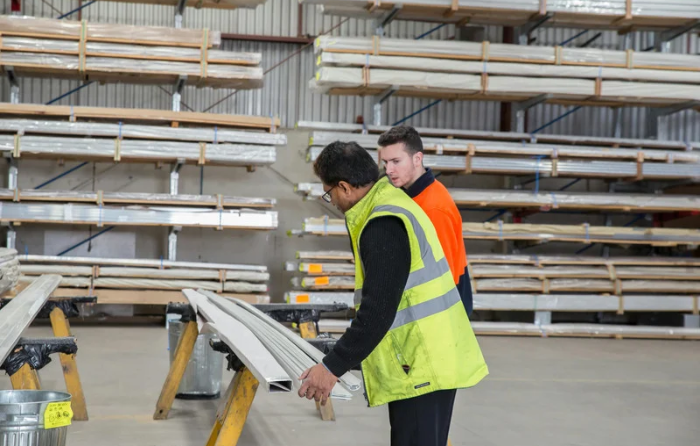
A commercial building is a long-term asset, and every material in it is a promise about the future. Concrete promises compressive strength. A roofing membrane promises weather protection. Flooring promises it can handle thousands of footsteps and rolling loads. When those promises match the real demands of the building, the property ages gracefully. When they do not, problems appear quickly: cracked slabs, leaking roofs, peeling façades, moisture behind walls and flooring that wears out within a few years.
This is exactly why material selection impacts commercial building durability more than almost any other design decision. Schedules can be adjusted and labor can be reassigned mid-project, but a poor material choice is built into the structure. Replacing it later means demolition, downtime, lost revenue and disruption for tenants or customers.
Key Factors That Should Guide Every Material Decision
Before comparing individual products, it helps to understand what determines whether a material will last. These are the questions we ask at the start of every project:
- Climate and weather exposure. Northeast Ohio sees repeated freezing and thawing, heavy snow, lake-effect moisture and humid summers. Materials that absorb water can crack when it freezes, so low-porosity masonry, properly sealed concrete and weather-rated membranes are essential.
- Structural loads and building use. A distribution warehouse with forklifts has very different demands than a boutique shop or a medical office. Slabs, framing and finishes must match real loads and real traffic.
- Moisture and corrosion resistance. Water is the most common enemy of building longevity. Vapor barriers, corrosion-resistant fasteners, protective coatings and smart drainage details matter as much as the primary material.
- Fire and safety performance. Code is the minimum. Non-combustible or fire-rated assemblies can lower insurance costs and better protect occupants.
- Maintenance capacity. Some materials need regular sealing, painting or inspection. Be honest about your maintenance budget and available staff.
- Lifecycle cost. Compare cost over 20 to 30 years, not just the bid price on day one.
Structural Materials: The Foundation of Long-Term Performance
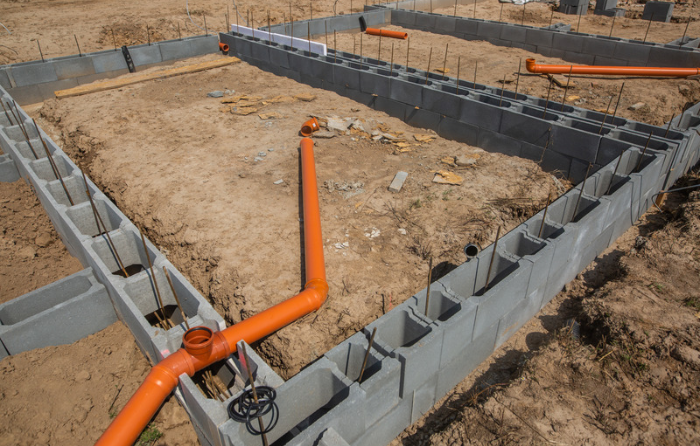
Structure is where material selection impacts commercial building durability most directly, because these elements are the hardest and most expensive to change later.
Structural Steel
Steel offers excellent strength and speed of construction, and it suits wide open spans for warehouses, retail spaces and worship facilities. Its weaknesses are corrosion and fire exposure, so protective coatings, fireproofing and careful connection details are non-negotiable.
Reinforced Concrete
Concrete is prized for compressive strength, fire resistance and long service life. Its durability depends on mix design, proper reinforcement cover, quality curing and sealing. In freeze-thaw climates, air-entrained concrete is critical to prevent surface scaling and cracking.
Masonry and Block
Brick and concrete masonry deliver outstanding weather and fire resistance with relatively low maintenance. Proper flashing, weep systems and sealed joints keep water from undermining the wall over time.
Building Envelope: Your First Line of Defense
The envelope separates your investment from the weather, so it deserves the closest scrutiny when planning materials.
- Roofing. TPO, EPDM, PVC, modified bitumen and metal systems all have strengths. PVC and TPO reflect heat and resist chemicals, which suits restaurants with grease exhaust. EPDM is proven and repairable. Metal roofing offers a long lifespan with low upkeep. Poor flashing details cause more leaks than the membrane itself.
- Façade and cladding. Brick, stone veneer, fiber cement, metal panels and EIFS each age differently. A retail frontage exposed to road salt, sun and vehicle traffic needs finishes that resist fading, impact and moisture intrusion.
- Insulation and air barriers. Continuous insulation and well-sealed air barriers reduce condensation risk inside walls, which protects every other material in the assembly.
Exterior upgrades are where durability and curb appeal have to work together. A good example is our shopping center façade project in Mentor, where the exterior had to look great and stand up to Ohio weather season after season.
Interior Materials: Surviving Daily Wear and Tear
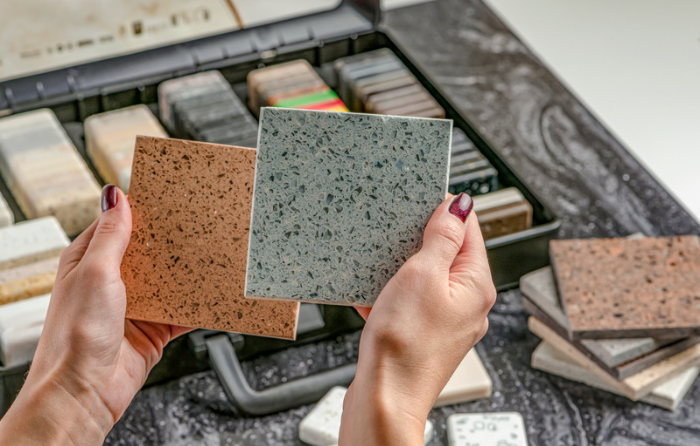
Interior finishes take a beating every day, and the right choice depends heavily on how the space is used. Commercial-grade flooring such as polished concrete, porcelain tile, luxury vinyl tile and sealed epoxy systems outperform residential-grade products in busy spaces. Restaurants need slip-resistant, easily sanitized surfaces. Assisted living and healthcare spaces need cleanable, low-maintenance walls and floors. Industrial areas need chemical and impact resistance.
Walls and ceilings matter too. Impact-resistant drywall, FRP panels in wet areas, moisture-resistant ceiling tiles and durable paint systems all extend the life of an interior. In demanding industrial settings, like our Pepsi project in Twinsburg, finishes and floor systems must handle heavy equipment and constant operations without losing performance.
Quick Comparison of Common Commercial Building Materials
This table summarizes how popular materials compare when you are evaluating commercial building durability.
| Material | Best For | Durability Strengths | Watch-Outs |
| Structural steel | Warehouses, retail, open-span spaces | High strength, fast construction, long spans | Needs corrosion protection and fireproofing |
| Reinforced concrete | Foundations, slabs, multi-story frames | Fire resistance, compressive strength, long life | Needs proper mix, curing and sealing |
| Brick and masonry | Façades, load-bearing walls | Weather and fire resistance, low upkeep | Needs correct flashing and joint care |
| TPO / PVC roofing | Flat commercial roofs, restaurants | Heat reflective, chemical resistant | Seam and flashing quality is critical |
| Metal panels | Façades, roofs, industrial buildings | Long lifespan, low maintenance | Coating quality and thermal movement |
| Polished concrete / epoxy | Industrial, retail, back-of-house | Impact and abrasion resistance | Slab prep and moisture testing required |
| LVT / porcelain tile | Offices, healthcare, dining areas | Easy to clean, strong wear layers | Subfloor flatness and adhesive choice |
| Planning a Commercial Build or Renovation? Not sure which materials fit your building, budget and climate? Explore the full range of commercial construction services from Icon Construction and see how our team can guide your project from the first sketch to the final walkthrough. |
Upfront Cost vs. Lifecycle Cost
The most expensive mistake in construction is choosing materials based on bid price alone. A lower-cost roof may save money on day one, but if it needs replacement ten years sooner, the true cost climbs once you add tear-off, disposal, labor and business interruption.
A proper lifecycle cost analysis weighs five things: initial cost, expected service life, annual maintenance, energy performance and eventual replacement. In many cases, investing a little more in critical areas such as the roof, building envelope and floor slab delivers an outsized return. This is another reason material selection impacts commercial building durability so strongly: the decisions with the biggest long-term effect are often the ones with the smallest upfront price difference.
How Different Building Types Should Approach Material Choices
- Restaurants: Prioritize slip-resistant, grease-resistant and easily sanitized surfaces, plus roofing that handles exhaust and rooftop equipment.
- Retail and shopping centers: Focus on façade finishes, storefront systems and flooring that balance appearance with heavy foot traffic.
- Industrial facilities: Invest in heavy-duty slabs, impact-resistant wall systems and durable roofing over large spans.
- Assisted living and healthcare: Choose hygienic, low-maintenance finishes with strong fire-rated assemblies and good acoustics.
Different stakeholders also see durability differently. Building owners care about asset value and return on investment, while facility and property managers care about uptime, maintenance workload and predictable operating costs. The best material strategy serves both.
Why Early Planning Protects Durability
The best time to make material decisions is during planning, not after drawings are final. Involving a contractor early lets you test pricing, lead times and constructability before commitments are made. Our pre-construction process helps owners compare material options, review budgets and spot risks while changes are still inexpensive.
Done correctly, value engineering is not about cutting quality. It means finding equal-performance alternatives, avoiding over-specification where it is not needed, and protecting the materials that matter most for long-term durability.
Common Material Selection Mistakes to Avoid
- Choosing on price alone. The lowest bid often hides higher maintenance and earlier replacement.
- Ignoring local climate. A material that performs well in a dry region may fail quickly in freeze-thaw conditions.
- Mixing incompatible materials. Dissimilar metals, sealants and coatings can react and break down faster than expected.
- Skipping detail design. Flashing, joints, drainage and transitions are where most failures begin.
- Overlooking maintenance. Even the best materials need basic care, and owners should plan for it.
- Ignoring warranties and installer quality. A premium product installed poorly will not deliver premium results.
A Practical Checklist for Your Next Project
- Define how the space will be used and what loads and traffic it must handle.
- Review local climate exposure, including freeze-thaw cycles and snow load.
- Compare lifecycle cost, not only the purchase price.
- Confirm fire ratings, code requirements and insurance implications.
- Check manufacturer warranties and installer qualifications.
- Plan a realistic maintenance schedule and budget.
- Bring your general contractor into the conversation as early as possible.
| Get Expert Guidance on Your Material Choices Talk with our team about your building goals, timeline and budget. Contact Icon Construction today to request a consultation and get a practical plan for a durable, long-lasting commercial space. |
Why Work With Icon Construction
Icon Construction is a commercial general contractor serving Northeast Ohio communities with construction and renovation for restaurants, retail centers, industrial buildings, assisted living facilities, offices, religious and education spaces. Our approach is simple: understand how your building will be used, recommend materials that fit the job, and deliver quality workmanship that stands the test of time.
You can see the range of projects we have completed on our work page to understand how we approach different building types. Every project reflects the same principle: material selection impacts commercial building durability, and the right decisions made early protect your investment for decades.
Frequently Asked Questions
How does material selection impact commercial building durability?
Material selection impacts commercial building durability by determining how well the structure, envelope and interior resist weather, moisture, wear and fire over time. Better-matched materials mean fewer repairs, lower maintenance costs and a longer service life.
Which materials are most durable for commercial buildings in cold climates?
Air-entrained reinforced concrete, quality masonry, properly coated steel, metal panels and weather-rated roofing membranes perform well in freeze-thaw climates. Proper detailing and drainage are just as important as the material itself.
Is it worth paying more for higher-quality building materials?
In critical areas such as the roof, envelope and slab, usually yes. Higher-quality materials often reduce lifecycle cost by avoiding early replacement, repair downtime and energy loss.
When should material decisions be made in a construction project?
As early as possible, ideally during pre-construction and design. Early decisions allow accurate budgeting, better availability planning and fewer expensive changes later.
Final Thoughts
Great buildings are not accidents. They are the result of informed choices about structure, envelope and finishes, all made with the building’s use, climate and long-term cost in mind. Understanding how material selection impacts commercial building durability gives you the power to protect your property, control costs and avoid unpleasant surprises.
Whether you are planning a new construction project or a major renovation, start with the right materials and the right partner. Icon Construction is ready to help you build something that lasts.
| Ready to Build It Right? Visit the Icon Construction website to learn more about our team, explore our projects and start planning a durable commercial building that performs for decades. |
