
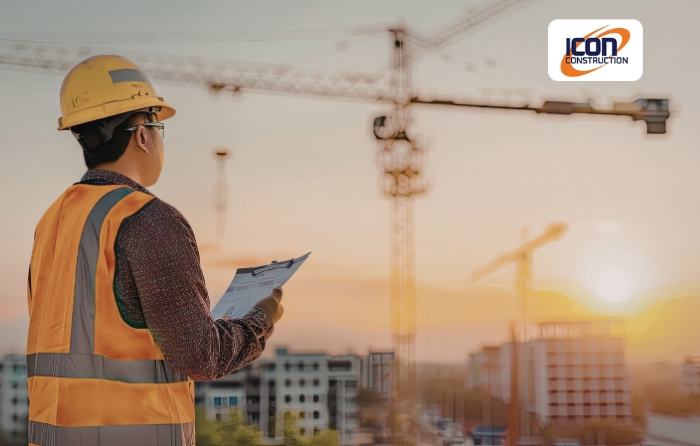
Industrial facilities are the backbone of manufacturing, logistics, energy, and distribution. Building these facilities is not simple. Industrial construction projects often involve large-scale structures, specialized systems, strict safety standards, and firm deadlines. Even experienced contractors must plan carefully to avoid delays and cost overruns.
At Icon Construction, teams have worked across commercial and industrial sectors since 2006. With experience in design-build coordination, workforce management, and project supervision, the company understands where problems usually arise and how to solve them early. This article explains the most common challenges in industrial construction projects and how proper planning reduces risk.
Understanding Industrial Construction Projects
Before discussing challenges, it helps to define the term.
Industrial construction projects refer to the building of facilities used for manufacturing, processing, warehousing, power generation, and large-scale production. These projects often include:
- Steel structures
- Heavy mechanical systems
- Electrical infrastructure
- Concrete foundations
- Specialized ventilation systems
- Compliance-driven safety features
Unlike residential or small commercial builds, industrial work demands strict coordination between engineers, architects, and general contractor teams.
Why Industrial Projects Are More Complex
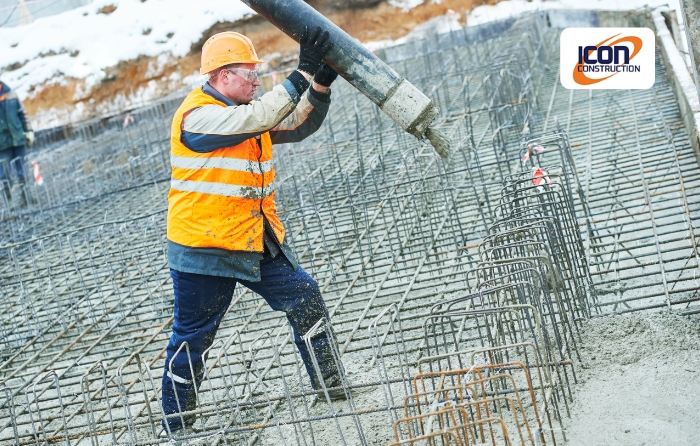
Industrial sites involve multiple moving parts. Heavy equipment, supply chain dependencies, regulatory approvals, and labor coordination all affect outcomes. A small delay in material delivery can shift an entire construction timeline.
Many clients ask: Why do industrial builds face more obstacles than other projects?
The answer is scale, regulation, and technical requirements. These projects must meet structural codes, environmental standards, and operational specifications before they become functional facilities. You can see examples of completed work across sectors in our project portfolio.
Budget Control and Cost Overruns
One of the biggest concerns in industrial construction projects is staying within budget. Large facilities require significant capital investment, and unexpected costs can impact profitability.
Several factors influence budget increases:
- Material price fluctuations
- Design changes during construction
- Labor shortages
- Equipment rental delays
- Permit adjustments
Clear design documents, accurate estimates, and regular cost reviews help maintain financial control. Early collaboration through pre-construction planning significantly reduces cost surprises.
Scheduling Delays and Timeline Pressures
Time plays a critical role in industrial construction. Facility owners often work under strict production deadlines, lease commitments, or expansion goals that require operations to begin on schedule. When timelines shift, financial impacts quickly follow, including delayed revenue and idle equipment. For this reason, scheduling is not just a construction concern but a core business priority. Clear milestones and realistic planning help keep projects aligned with operational objectives.
Delays can happen even with detailed preparation. Weather disruptions may pause exterior work, while supply chain interruptions can delay steel, electrical components, or specialized equipment. Late design approvals and permit reviews can slow progress before crews even begin certain phases. Workforce shortages also create scheduling pressure when skilled trades are limited. Even minor inspection rescheduling can cause ripple effects across multiple stages.
Because industrial construction projects rely on structural, mechanical, and electrical systems working together, one delayed trade can affect the entire build sequence. Partnering with an experienced general contractor helps maintain scheduling discipline, coordinate teams effectively, and reduce the risk of cascading delays.
Regulatory Compliance and Safety Standards
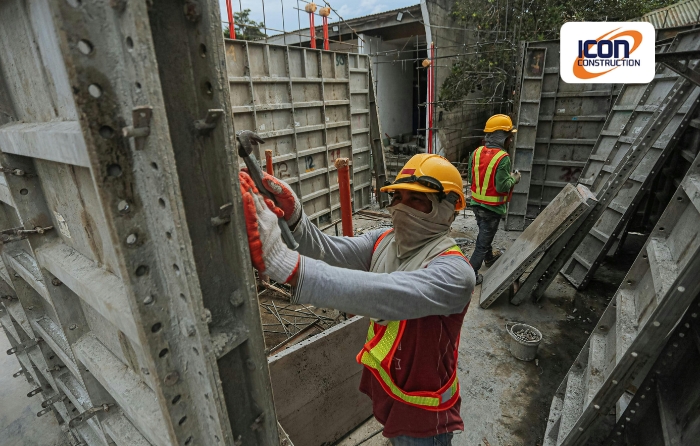
Industrial facilities must comply with strict regulatory standards throughout construction and ongoing operations to ensure safety and accountability. These regulations protect workers on-site, safeguard surrounding communities from environmental and operational risks, and help prevent costly legal or compliance issues. Adhering to these requirements also supports long-term efficiency, stability, and responsible facility management.
Regulatory compliance means following government safety, building, and environmental laws. In industrial environments, this often includes OSHA standards, fire safety codes, environmental impact guidelines, and structural load requirements. Failure to comply can result in fines, project shutdowns, or required reconstruction. Experienced teams operating across multiple service areas understand how local codes affect project timelines.
Labor and Workforce Management
Industrial construction projects require skilled labor. From certified welders to heavy equipment operators, specialized workers are essential.
In many regions, experienced tradespeople are in high demand. Limited workforce availability can slow progress and increase labor costs.
Industrial sites often host multiple subcontractors simultaneously. Without coordination, tasks overlap inefficiently. Strong leadership and communication systems maintain productivity. Clients such as Wayfair and Pepsi have required this level of workforce coordination on complex facilities.
Design Changes During Construction
Scope changes are common in industrial construction projects. Facility owners may adjust layouts, production lines, or equipment placements after work begins.
A change order is a formal document outlining adjustments to scope, cost, and schedule. Clear documentation ensures transparency between contractors and clients.
Early collaboration between builders and architects and designers reduces major revisions later in the process.
Supply Chain Disruptions
Material shortages and transportation delays have become common in recent years, putting pressure on construction schedules. Steel, concrete components, electrical systems, and specialty equipment often face extended lead times. Supply chain disruptions and shipping constraints can further slow procurement.
Industrial construction projects rely heavily on structural steel, mechanical systems, and custom components. When these materials arrive late, critical work phases cannot move forward. One delayed delivery can impact multiple trades and inspections.
Ordering long-lead materials early and confirming supplier timelines helps reduce disruption. Strong vendor relationships and proactive planning improve reliability. Careful coordination keeps projects moving despite supply challenges.
Site Conditions and Environmental Factors
Every industrial site presents unique physical challenges.
Poor soil conditions require additional engineering, such as reinforced foundations or soil stabilization. Geotechnical studies help identify risks before excavation begins.
Industrial facilities may require stormwater management systems or environmental impact reviews. Delays in approval can slow progress.
Communication Gaps Between Stakeholders
Industrial construction projects involve owners, engineers, contractors, inspectors, and suppliers. Miscommunication leads to errors and rework.
Regular progress meetings, digital project management tools, and transparent reporting reduce misunderstandings. Many business owners and facility property managers rely on structured reporting systems to stay informed throughout the build.
Technology Integration Challenges
Modern industrial facilities require integrated systems such as automated machinery, ventilation controls, and electrical infrastructure.
Mechanical, electrical, and structural systems must align precisely. Even minor misalignment can disrupt operations.
Risk Management in Industrial Construction
Risk management means identifying potential problems early and planning responses.
Common risk categories include financial risk, safety risk, scheduling risk, regulatory risk, and operational risk.
Strong documentation, experienced supervision, and phased inspections reduce exposure.
Planning for Long-Term Success
Successful industrial construction projects depend on preparation, communication, and leadership. Identifying risks early helps prevent setbacks later. Budget discipline, schedule monitoring, and workforce coordination all contribute to smoother outcomes.
If your organization is preparing for upcoming industrial construction projects, partnering with an experienced team can reduce risk and improve execution. Visit our contact page to start the conversation and align your scope, budget, and timeline before construction begins.
Early planning creates stronger outcomes. Connect with Icon Construction to discuss how structured project management supports long-term facility performance.
