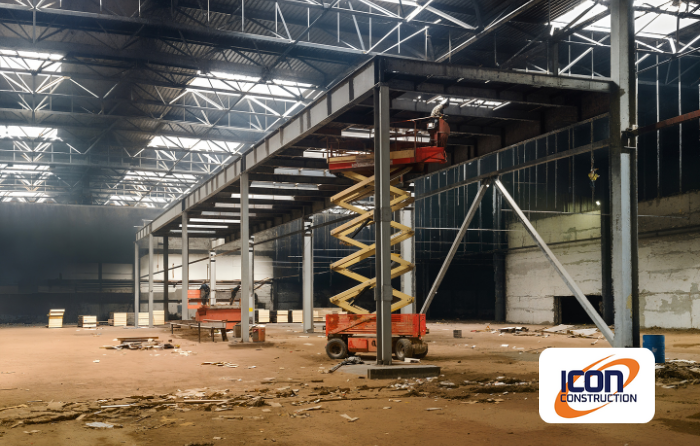
Industrial facilities form the operational backbone of manufacturing, logistics, energy, and processing sectors. From large-scale warehouses to specialized production plants, these environments demand careful planning, technical accuracy, and disciplined execution. Industrial Construction Projects are significantly more complex than standard builds because they involve strict safety regulations, heavy equipment, and long-term operational requirements.
Companies planning industrial facilities often begin their research through experienced construction partners such as Icon Construction, reviewing capabilities, past work, and service approaches before making early decisions.
This guide explains how timelines are structured, how budgets are built and controlled, and how execution is managed from start to finish.

What Is an Industrial Construction Project?
Industrial construction refers to facilities designed for production, storage, processing, or heavy operational use. These buildings prioritize function, durability, and compliance over appearance.
Typical industrial facilities include:
- Manufacturing plants
- Distribution and logistics centers
- Cold storage facilities
- Processing plants
- Data and utility facilities
Organizations often rely on full-scope construction partners offering integrated construction services to manage these complex requirements efficiently.
How Industrial Construction Differs From Commercial Building
Industrial buildings require stronger foundations, higher load capacities, and advanced mechanical and electrical systems. Unlike offices or retail spaces, industrial facilities are built around workflow efficiency and equipment integration.
This is why many owners work with an experienced general contractor who understands industrial coordination, permitting, and system sequencing.
Industrial Construction Timeline Explained
Pre-Construction Planning
Pre-construction defines the project’s success. This phase includes site evaluation, feasibility studies, early budgeting, and scheduling.
Services such as pre-construction planning help identify risks early, evaluate site constraints, and align design decisions with budget realities.
Skipping this step often leads to delays later in Industrial Construction Projects.
Design and Engineering Phase
During design, engineers develop structural systems, mechanical layouts, power distribution plans, and safety systems. Technical terms like load-bearing capacity (how much weight a structure can support) and process integration (how building systems support operations) are finalized here.
Some industrial projects may also involve elements similar to building and office design when administrative or control areas are included within the facility.
Permits, Approvals, and Compliance
Industrial projects require coordination with zoning authorities, fire departments, environmental agencies, and utility providers. Early planning prevents approval delays that can impact schedules.
Local permitting requirements often vary by service area, which is why understanding the areas served by your construction partner is important.
Procurement and Scheduling
Industrial equipment often has long lead times. Procurement planning aligns material delivery with construction milestones, reducing downtime and storage issues.
This coordination is a key responsibility of the general contractor throughout Industrial Construction Projects.
Construction and Execution
Execution includes site preparation, foundations, structural framing, enclosure, system installation, and equipment setup. Multiple trades operate simultaneously, requiring constant coordination.
Experienced contractors draw on lessons learned from past builds showcased in completed project portfolios and sector-specific experience such as hospitality-related construction work, where coordination and timelines are equally critical.
Industrial Construction Budget Breakdown
Core Cost Components
Industrial budgets include land development, utilities, foundations, structures, mechanical and electrical systems, equipment installation, labor, and contingency allowances.
Owners reviewing industrial builds often compare costs against renovation alternatives such as office building renovations before committing to new construction.
What Influences Project Cost?
Costs vary based on:
- Site conditions
- Utility access
- Equipment requirements
- Labor availability
- Compliance standards
For Industrial Construction Projects, early cost modeling helps teams make scope decisions before budgets are finalized.
Budget Control Methods
Cost control depends on transparency, early coordination, and disciplined change management. Clear documentation helps prevent disputes and unplanned cost increases.
Execution Priorities
- Clearly defined scope and performance expectations
- Early coordination between design and construction teams
- Realistic schedules with contingency planning
- Strict safety and quality controls
- Ongoing cost and progress monitoring
Managing Execution Challenges
Safety and Risk Management
Industrial sites involve heavy machinery, electrical systems, and elevated work areas. Safety programs protect workers and maintain productivity.
Quality Assurance
Quality inspections verify that construction meets design and code requirements. Issues addressed early prevent costly corrections later.
Trade Coordination
Industrial construction requires coordination among structural, mechanical, electrical, and equipment installation teams. Poor sequencing can delay multiple phases.
Managing Design Changes
Change orders are carefully reviewed to assess cost and schedule impacts. Proper documentation keeps all parties aligned.
Project Management’s Role
Project management ties planning, budgeting, and execution together. Managers track schedules, control costs, coordinate inspections, and communicate with stakeholders.
Different stakeholder groups—such as building owners, architects and designers, and facility or property managers—each rely on accurate reporting and clear decision-making throughout the project lifecycle.
Technology in Industrial Construction
Digital tools such as 3D modeling, scheduling software, and digital documentation improve accuracy and coordination. These tools reduce conflicts and support better decision-making in Industrial Construction Projects.
Commissioning and Handover
Commissioning verifies that systems perform as intended. This includes testing electrical loads, mechanical systems, and safety controls before occupancy.
Long-Term Facility Performance
Industrial buildings are long-term operational assets. Planning for maintenance access, future expansion, and energy efficiency improves long-term value.
Organizations often continue learning through industry updates and insights shared on construction-focused resources such as the company blog.
Frequently Asked Questions
How long do industrial construction projects take?
Timelines depend on size, complexity, and approvals. Projects typically range from several months to over a year.
What causes most delays?
Permit approvals, equipment lead times, and late design changes are common causes.
Should contractors be involved early?
Yes. Early involvement improves cost accuracy and constructability.
Is renovation ever a better option?
In some cases, adapting existing facilities may reduce costs, depending on structure and compliance requirements.
Closing Perspective
Industrial construction requires more than technical skill—it requires coordination, foresight, and disciplined execution. When timelines, budgets, and construction processes are aligned early, projects move forward with fewer disruptions and better outcomes, a process often reflected in project updates and insights shared on Facebook.
Icon Interiors Inc approaches industrial work with a practical focus on planning clarity, execution control, and long-term facility performance. For organizations considering a new build or expansion, starting with informed planning often makes the difference between a stressful process and a successful project delivery.
For organizations considering an industrial build or expansion, initiating a project discussion early—through a simple inquiry or consultation via the contact page—often helps clarify scope, expectations, and next steps before decisions become costly.
