How Smarter Building Decisions Help Ohio Businesses Reduce Costs and Improve Long-Term Property Value
Commercial property owners across Ohio are paying closer attention to sustainability in construction projects. Rising energy costs, stricter building regulations, tenant expectations, and long-term maintenance expenses are pushing businesses to think beyond short-term construction savings.
Sustainable commercial construction focuses on building methods, materials, and systems that improve energy efficiency, reduce waste, and create healthier spaces for employees and tenants. In Ohio, where buildings face hot summers, freezing winters, snow, and moisture, durable and efficient construction choices can make a major difference over time.
For property managers, developers, retail owners, and office building operators, sustainable construction is no longer limited to large corporations or luxury developments. Many practical upgrades can be added to renovation projects, tenant improvements, office remodels, retail build-outs, and commercial property maintenance plans.
Icon Construction works with commercial property owners to help plan construction projects that support long-term building performance while keeping projects practical, functional, and aligned with business goals.
What Is Sustainable Commercial Construction?
Sustainable commercial construction means designing, renovating, or building commercial spaces in ways that reduce environmental impact while improving building efficiency and long-term usability.
This can include:
- Energy-efficient lighting and HVAC systems
- Durable building materials
- Better insulation and roofing systems
- Water-saving fixtures
- Waste reduction during construction
- Improved indoor air quality
- Smart building technology
- Efficient space planning
The goal is not simply to make a building “green.” The goal is to create a commercial property that performs better, costs less to operate, and remains easier to maintain over time.
Businesses planning renovations often begin with proper pre-construction planning to identify efficiency opportunities early in the process.
Why Sustainability Matters for Ohio Commercial Properties
Ohio weather creates unique challenges for commercial buildings. Cold winters, humidity, snow, ice, and temperature swings place stress on roofs, HVAC systems, windows, insulation, and exterior materials.
Sustainable building practices help property owners manage these conditions more effectively.
Lower Utility Costs
Energy-efficient upgrades can reduce electricity and heating expenses throughout the year. Commercial buildings with better insulation, modern HVAC systems, and LED lighting often see lower monthly operating costs.
Reduced Maintenance Problems
Durable materials and proper construction planning help reduce future repair issues. This becomes especially important for facility and property managers handling multi-tenant commercial buildings and retail spaces.
Better Tenant Retention
Tenants often prefer commercial spaces that feel comfortable, modern, and energy efficient. Better lighting, indoor air quality, and temperature control can improve the overall tenant experience.
Improved Property Value
Commercial buildings with updated systems and efficient construction features may remain more competitive in the market. Buyers and tenants increasingly look for properties with lower operational costs.
Compliance With Building Standards
Many cities and municipalities continue updating energy and construction requirements. Sustainable upgrades can help properties stay aligned with current standards during renovations or expansions.
Energy-Efficient Lighting Upgrades
Lighting is one of the easiest and most cost-effective ways to improve commercial building efficiency.
Older lighting systems often consume unnecessary electricity and require frequent maintenance. Switching to LED lighting can reduce energy use while improving brightness and visibility.
Common Commercial Lighting Improvements
- LED interior lighting
- Motion sensor lighting
- Parking lot LED upgrades
- Smart lighting controls
- Daylight-responsive systems
- Warehouse high-efficiency lighting
These upgrades are commonly used in office buildings, retail stores, medical facilities, warehouses, and mixed-use commercial properties.
Projects like the ATT retail store build-out and Safelite Auto Glass project show how modern commercial upgrades can improve both functionality and appearance.
Smart HVAC Systems for Ohio Weather
HVAC stands for heating, ventilation, and air conditioning. In Ohio commercial buildings, HVAC systems often account for a large portion of energy use.
Older systems may struggle during seasonal weather changes, increasing operating costs and creating uneven indoor temperatures.
Modern HVAC upgrades can improve efficiency while helping buildings maintain more consistent indoor comfort.
Sustainable HVAC Ideas
Smart Thermostats
Smart thermostats automatically adjust heating and cooling based on building occupancy and schedules.
Zoned HVAC Systems
Zoning allows different parts of a building to maintain separate temperatures. This prevents wasted energy in unused areas.
High-Efficiency Rooftop Units
New rooftop HVAC systems often use less energy than older equipment while providing stronger temperature control.
Regular Ventilation Improvements
Better ventilation can improve indoor air quality by reducing dust, humidity, and airborne contaminants.
These upgrades are especially useful in office building renovation projects and healthcare facilities.
Sustainable Roofing Systems for Commercial Buildings
Commercial roofs play a major role in building performance. Poor roofing systems can lead to heat loss, leaks, moisture damage, and high maintenance costs.
Many Ohio property owners are investing in roofing systems designed to improve insulation and weather resistance.
Popular Sustainable Roofing Options
- Reflective roofing materials
- TPO roofing systems
- Improved roof insulation
- Roof drainage upgrades
- Long-lasting membrane roofing
- Roof coatings for energy efficiency
Proper roofing upgrades can help reduce heating and cooling strain while protecting the building structure.
Commercial and mixed-use developments like Starr Gennett often require durable roofing and exterior systems that support long-term building performance.
Durable Construction Materials That Last Longer
One of the most practical sustainability strategies is choosing materials that require less replacement and maintenance.
Cheap materials often lead to higher long-term repair costs.
Examples of Durable Commercial Materials
- Polished concrete flooring
- Metal framing systems
- Composite exterior materials
- Commercial-grade windows
- Moisture-resistant drywall
- Recycled construction materials
Durable materials are especially valuable in high-traffic commercial spaces where surfaces experience daily wear.
Many restaurant construction projects and retail build-outs prioritize durable finishes that can withstand constant customer traffic.
Water Conservation Upgrades for Commercial Properties
Water-saving systems help reduce utility costs and support efficient property operations.
Even small upgrades can make a difference in office buildings, retail spaces, restaurants, and healthcare facilities.
Water-Efficient Features
- Low-flow toilets
- Sensor-operated faucets
- Water-efficient landscaping
- Leak detection systems
- Efficient irrigation controls
These systems help reduce unnecessary water usage while lowering monthly expenses.
Construction Waste Reduction During Renovation Projects
Commercial renovation projects often generate large amounts of waste. Sustainable construction planning focuses on reducing unnecessary disposal whenever possible.
Ways Contractors Reduce Construction Waste
- Recycling demolition materials
- Reusing existing building components
- Ordering accurate material quantities
- Reducing packaging waste
- Salvaging usable fixtures and equipment
Waste reduction also helps keep construction sites cleaner and more organized.
Teams handling general contractor services often coordinate demolition, recycling, and material management during phased renovation projects.
Indoor Air Quality and Healthier Commercial Spaces
Indoor air quality affects employees, tenants, and customers every day.
Poor ventilation, outdated materials, and moisture problems can create uncomfortable indoor conditions.
Sustainable Features That Improve Air Quality
- Proper ventilation systems
- Low-VOC paints and adhesives
- Moisture control systems
- Improved air filtration
- Mold-resistant materials
VOC stands for volatile organic compounds. These are chemicals found in some paints, adhesives, and construction materials that can affect indoor air quality.
Healthier indoor environments can improve comfort and support employee productivity.
Healthcare and assisted living projects like Silver Maple often prioritize ventilation and healthier indoor environments during construction planning.
Smart Building Technology in Commercial Construction
Technology is becoming more common in commercial buildings across Ohio.
Smart building systems help property owners monitor energy use, maintenance needs, lighting, and security systems more efficiently.
Examples of Smart Building Features
- Automated lighting controls
- Energy monitoring systems
- Smart HVAC controls
- Occupancy sensors
- Remote maintenance monitoring
- Building automation systems
These tools help property managers identify problems earlier and reduce unnecessary energy use.
Sustainable Renovation Planning for Older Ohio Buildings
Many Ohio commercial properties were built decades ago. Older buildings often need modernization to improve efficiency and functionality.
However, complete demolition is not always necessary.
Strategic renovations can improve building performance while preserving the existing structure.
Common Sustainable Renovation Improvements
- Window replacements
- Electrical upgrades
- Insulation improvements
- Modernized plumbing systems
- Structural repairs
- Energy-efficient tenant build-outs
Historic and adaptive reuse projects like 3182 West 25th Street show how older properties can be modernized while improving long-term functionality.
How Property Managers Can Plan Sustainable Renovation Projects
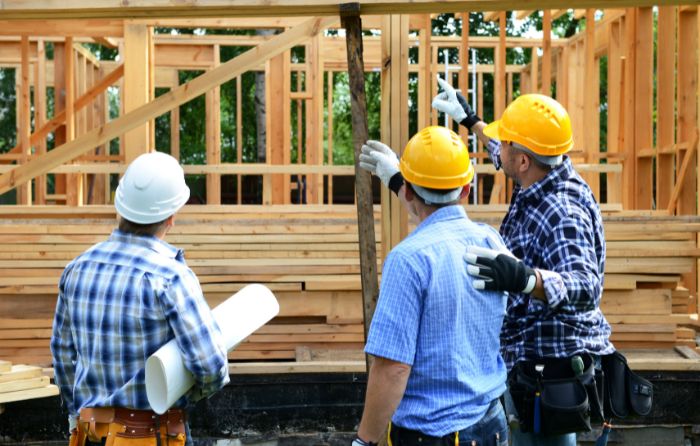
Large renovation projects require coordination between contractors, property managers, tenants, architects, and vendors.
Planning ahead helps reduce delays and unexpected costs.
Steps Property Managers Often Follow
Building Assessment
The project team evaluates the condition of the property, identifies maintenance concerns, and reviews efficiency opportunities.
Budget Planning
Owners determine project priorities and establish realistic construction budgets.
Tenant Coordination
For occupied buildings, scheduling becomes important to reduce disruptions during construction.
Permit and Compliance Review
Contractors verify local building requirements, safety codes, and permit needs before construction begins.
Construction Scheduling
A phased construction schedule helps keep projects organized and manageable.
Property owners often work with experienced commercial construction teams to coordinate these moving parts efficiently.
Common Mistakes to Avoid During Sustainable Construction Projects
Some property owners focus only on upfront costs and overlook long-term building performance.
This can create higher operating expenses later.
Common Problems
- Choosing low-quality materials
- Ignoring insulation upgrades
- Delaying HVAC replacement
- Poor construction scheduling
- Lack of long-term maintenance planning
- Insufficient drainage systems
Working with experienced commercial contractors helps property owners avoid many of these issues.
Why Sustainable Commercial Construction Continues to Grow in Ohio
Commercial property owners are under pressure to manage operating costs while maintaining modern, functional spaces.
Sustainable construction provides practical solutions that support long-term property performance.
Businesses today also face changing tenant expectations. Companies increasingly prefer office and retail spaces that are comfortable, efficient, and easier to maintain.
As utility costs continue rising, many Ohio property owners are viewing sustainable upgrades as long-term investments rather than optional improvements.
Commercial sectors including retail, hospitality, healthcare, industrial facilities, and mixed-use developments continue investing in modernized construction strategies across Ohio.
Work With Icon Construction on Your Next Commercial Project
Sustainable construction starts with careful planning, practical building solutions, and experienced project coordination.
Whether your project involves office renovations, retail upgrades, roofing improvements, or energy-efficient building updates, proper construction planning can help reduce future costs while improving long-term building performance.
Ready to discuss your commercial renovation or construction project?
Frequently Asked Questions
What is sustainable commercial construction?
Sustainable commercial construction focuses on building methods and materials that improve energy efficiency, reduce waste, and support long-term building performance.
Are sustainable construction upgrades expensive?
Some upgrades require upfront investment, but many reduce operating and maintenance costs over time.
What commercial buildings benefit most from sustainable upgrades?
Office buildings, retail spaces, warehouses, healthcare facilities, schools, and multi-tenant properties can all benefit from sustainable improvements.
How can older Ohio buildings become more energy efficient?
Common upgrades include insulation improvements, HVAC replacement, LED lighting, window upgrades, and roofing improvements.
Does sustainable construction help property value?
Energy-efficient and modernized commercial buildings may remain more competitive in the market while reducing operating costs.
What is the easiest sustainability upgrade for commercial properties?
LED lighting upgrades are often one of the simplest and most cost-effective improvements.
Why is indoor air quality important in commercial buildings?
Better indoor air quality can improve employee comfort, support healthier environments, and reduce ventilation-related issues.
How early should a contractor be involved in a renovation project?
Early contractor involvement helps with budgeting, scheduling, permit planning, and identifying potential construction challenges before work begins.
Start Planning Your Ohio Commercial Construction Project
Every commercial property has different operational needs, building conditions, and long-term goals. Sustainable construction planning helps property owners make smarter decisions that support efficiency, durability, and future growth.
If you are planning a renovation, tenant improvement, office remodel, or commercial construction project in Ohio, the team at Icon Construction can help you move forward with practical construction solutions designed for long-term performance.
Book a consultation today to discuss your upcoming commercial construction or renovation project.
