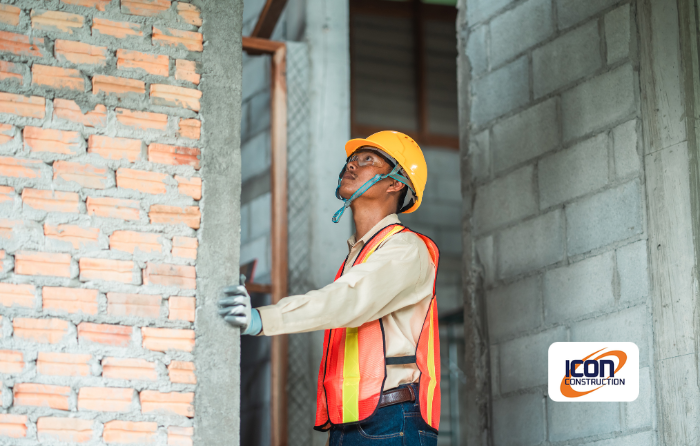
Retail construction projects are responsible for creating the stores, shopping centers, showrooms, and commercial spaces that customers visit every day. Whether a business is opening a new location, expanding its footprint, or renovating an existing store, quality construction plays a major role in long-term success. Well-built retail environments improve customer experiences, support employee productivity, and help businesses avoid costly maintenance issues.
Because retail buildings experience constant use, maintaining high construction standards is essential. This is where a retail construction association helps the industry. These organizations encourage best practices, support workforce training, promote safety standards, and help construction professionals stay informed about changing regulations and technologies.
Whether you are a retailer, developer, property owner, or contractor, understanding the role of industry associations can help you appreciate how quality and safety standards are developed and maintained across the retail construction sector.
At Icon Construction, quality workmanship and jobsite safety remain priorities because successful retail construction projects depend on careful planning, skilled execution, and adherence to proven industry standards.
Why Quality and Safety Matter in Retail Construction
Retail buildings are unique compared to many other commercial properties. They must accommodate large numbers of customers, employees, vendors, and maintenance personnel while supporting daily business operations.
Poor construction quality can result in:
- Structural issues
- Flooring failures
- Water intrusion problems
- Electrical concerns
- Premature wear and tear
- Higher maintenance costs
- Safety hazards for occupants
Strong quality standards help reduce these risks and create buildings that perform reliably for years.
Safety is equally important. Construction projects involve multiple trades working together in active environments where accidents can occur if proper procedures are not followed. Industry organizations help create awareness around safety requirements that protect workers and building occupants alike.
Understanding the Role of Retail Construction Associations

A retail construction association is an organization that brings together professionals involved in retail construction and commercial development.
These organizations often include:
- General contractors
- Architects
- Engineers
- Developers
- Suppliers
- Project managers
- Property owners
- Facility managers
The primary goal of these associations is to improve industry performance through education, collaboration, and professional development.
By sharing knowledge and promoting industry standards, associations help construction professionals deliver safer and higher-quality projects.
How Retail Construction Associations Develop Industry Standards

One of the most important functions of a retail construction association is helping establish standards that guide construction projects from planning through completion.
Industry standards provide a framework for consistency, helping contractors and project teams deliver reliable results.
Establishing Best Practices
Best practices are methods that have consistently proven effective across multiple projects.
Associations collect input from industry experts and use that knowledge to promote recommendations related to:
- Project planning
- Site management
- Quality control
- Material selection
- Construction sequencing
- Safety procedures
Following established best practices helps improve project efficiency while reducing mistakes.
Supporting Consistent Quality
Construction quality should remain consistent regardless of project size or location.
Industry standards help contractors maintain:
- Workmanship quality
- Material performance
- Code compliance
- Safety performance
- Project documentation
Consistency benefits retailers, developers, and property owners by reducing uncertainty and improving long-term building performance.
Encouraging Accountability
Professional standards create clear expectations for contractors and project teams.
When construction professionals follow recognized industry guidelines, they are better equipped to identify issues early, maintain quality control, and meet project objectives.
Why Safety Standards Are Essential
Construction sites contain numerous potential hazards. Without proper safety planning and training, workers face increased risks of injury.
A retail construction association promotes safety through educational programs, industry guidance, and training initiatives.
Common Construction Hazards
Retail construction projects may involve:
- Elevated work areas
- Electrical systems
- Heavy equipment
- Material handling
- Demolition activities
- Active jobsite traffic
Each of these activities requires proper planning and supervision.
Building a Culture of Safety
Safety is more than compliance. It involves creating a workplace culture where everyone actively identifies and addresses risks.
Associations encourage safety-focused environments through:
- Training programs
- Safety workshops
- Continuing education
- Industry conferences
- Best-practice resources
A strong safety culture often leads to fewer accidents and improved productivity.
Personal Protective Equipment
Personal Protective Equipment (PPE) refers to gear designed to reduce workplace injuries.
Examples include:
- Hard hats
- Safety glasses
- Protective footwear
- Gloves
- Hearing protection
- High-visibility clothing
Industry organizations frequently provide guidance regarding PPE requirements and proper usage.
Training and Workforce Development
The construction industry continues to evolve due to changing technologies, materials, and regulations.
One of the most valuable contributions of a retail construction association is workforce development.
Technical Skills Training
Training programs help workers improve their knowledge and stay current with industry expectations.
Topics often include:
- Construction methods
- Equipment operation
- Safety procedures
- Building systems
- Quality management
- Project coordination
Investing in workforce training helps improve construction quality and safety outcomes.
Leadership Development
Construction projects rely on effective leadership.
Associations often provide development opportunities for:
- Project managers
- Site supervisors
- Company leaders
- Facility managers
Strong leadership supports better communication, improved decision-making, and more efficient project execution.
Supporting Construction Professionals
As industry expectations continue to change, ongoing education remains important for construction professionals who want to maintain high standards and remain competitive.
Improving Building Code Compliance
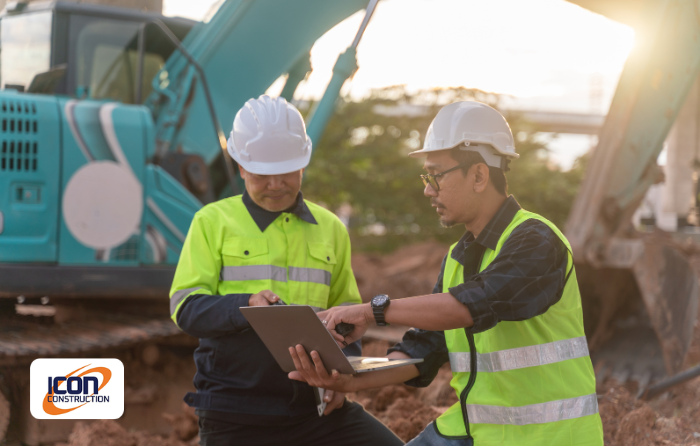
Building codes establish minimum requirements for safety, accessibility, structural integrity, and building performance.
Failure to comply with regulations can lead to:
- Inspection failures
- Construction delays
- Legal issues
- Increased project costs
- Occupancy delays
Industry associations help members stay informed about code updates and compliance requirements.
Accessibility Standards
Modern regulations require that retail spaces remain accessible to all users.
Accessibility requirements often address:
- Entrances
- Parking areas
- Walkways
- Restrooms
- Service counters
Meeting accessibility standards improves usability while supporting regulatory compliance.
Fire Protection Requirements
Fire safety systems are critical components of retail construction.
These systems may include:
- Fire alarms
- Sprinkler systems
- Emergency exits
- Fire-resistant materials
- Emergency lighting
Industry organizations help construction teams understand evolving fire safety requirements.
Encouraging Better Project Planning
Successful projects begin long before construction starts.
Industry associations frequently promote planning processes that reduce risk and improve project performance.
The Importance of Pre-Construction
Strong pre-construction planning creates a foundation for project success.
This phase often includes:
- Site evaluation
- Budget development
- Scheduling
- Design coordination
- Permit planning
- Risk assessment
Identifying potential challenges early helps minimize disruptions later.
Risk Management Strategies
Every construction project involves risk.
Common risks include:
- Material shortages
- Labor challenges
- Weather delays
- Design conflicts
- Regulatory changes
Associations encourage proactive risk management practices that improve project outcomes.
Supporting Quality Control Programs
Quality control refers to the systems used to verify that construction work meets project requirements and industry standards.
A retail construction association often promotes quality management programs that improve consistency throughout construction.
Regular Inspections
Inspections help verify that work is being completed correctly.
Areas commonly reviewed include:
- Structural systems
- Mechanical systems
- Electrical systems
- Interior finishes
- Safety installations
Early identification of deficiencies reduces costly rework.
Documentation Standards
Proper documentation supports accountability and transparency.
Examples include:
- Inspection reports
- Safety records
- Material certifications
- Change orders
- Progress reports
Well-maintained records improve communication among project stakeholders.
How Technology Improves Quality and Safety
Technology continues to transform the construction industry.
Many associations provide educational resources that help members understand and implement new tools.
Building Information Modeling (BIM)
Building Information Modeling, or BIM, is a digital process that creates detailed three-dimensional representations of buildings.
BIM helps teams:
- Improve coordination
- Reduce design conflicts
- Enhance planning accuracy
- Minimize rework
- Improve project efficiency
Project Management Software
Modern project management platforms help teams monitor:
- Schedules
- Budgets
- Documentation
- Communication
- Progress tracking
These tools improve visibility throughout the project lifecycle.
Safety Technology
New safety technologies help identify hazards and improve oversight.
Examples include:
- Wearable monitoring devices
- Drone inspections
- Digital reporting systems
- Site monitoring platforms
Technology supports proactive safety management while improving efficiency.
Sustainable Practices in Retail Construction
Sustainability continues to influence construction decision-making.
Many retailers and developers seek buildings that reduce operating costs and improve environmental performance.
Energy Efficiency
Energy-efficient building systems help lower utility expenses.
Examples include:
- LED lighting
- High-performance HVAC systems
- Improved insulation
- Automated controls
Construction Waste Reduction
Waste management programs encourage recycling and material recovery during construction.
Reducing waste supports environmental goals while improving resource efficiency.
Sustainable Materials
Industry associations often provide guidance regarding responsible material selection and long-term building performance.
Benefits for Property Owners and Facility Managers
Strong industry standards create advantages for both property owners and facility managers.
Benefits include:
- Improved construction quality
- Better safety performance
- Reduced project risk
- Greater code compliance
- Lower maintenance costs
- Longer building life cycles
- Better occupant experiences
These advantages help protect investments while supporting long-term operational success.
Choosing the Right Retail Construction Partner
Selecting a contractor is one of the most important decisions in any retail construction project.
Property owners should look for teams with proven retail construction experience and a strong history of successful project delivery.
Evaluate Safety Programs
A contractor’s commitment to safety often reflects its overall professionalism.
Review:
- Safety policies
- Training programs
- Incident history
- Jobsite procedures
Review Quality Assurance Processes
Quality control systems help maintain consistency throughout construction.
Ask potential contractors about:
- Inspection procedures
- Documentation practices
- Communication processes
- Quality management programs
Consider Industry Experience
Working with experienced construction teams often leads to smoother project execution and better outcomes.
Why Industry Standards Continue to Evolve
Construction practices continue to change due to:
- New technologies
- Updated regulations
- Sustainability initiatives
- Workforce development efforts
- Changing customer expectations
A retail construction association helps professionals adapt to these changes while maintaining high standards for quality and safety.
Their efforts contribute to stronger buildings, safer jobsites, and more successful retail construction projects.
Frequently Asked Questions
What is a retail construction association?
A retail construction association is an industry organization that supports contractors, developers, architects, engineers, and other professionals through education, networking, safety initiatives, and best-practice guidance.
How does a retail construction association improve safety?
Associations provide training programs, educational resources, safety standards, and industry guidance that help reduce workplace hazards and improve jobsite safety.
Why are quality standards important in retail construction?
Quality standards help ensure buildings remain safe, durable, code-compliant, and capable of supporting long-term business operations.
Do industry associations help with building code compliance?
Yes. Many associations provide updates, training, and resources that help professionals understand and comply with changing regulations.
How do associations support workforce development?
They offer educational programs, technical training, leadership development, and professional resources that help improve industry skills.
Can following industry standards reduce project risks?
Yes. Strong standards help improve planning, safety performance, quality control, and regulatory compliance, reducing overall project risk.
Build Your Retail Project with Confidence
Quality and safety are essential components of every successful retail construction project. Industry associations help promote the standards, training, and best practices that support better project outcomes across the construction sector.
At Icon Construction, we understand the importance of delivering high-quality construction solutions that meet today’s expectations for safety, performance, and long-term value.
Planning a retail renovation, store build-out, or new construction project? Connect with Icon Construction to discuss your goals and learn how experienced planning, project management, and construction expertise can help bring your vision to life.
Ready to move forward? Contact Icon Construction today to schedule a consultation and explore solutions for your next retail construction project.
